Everything you need to know about experiencing the Aurora Borealis in Iceland
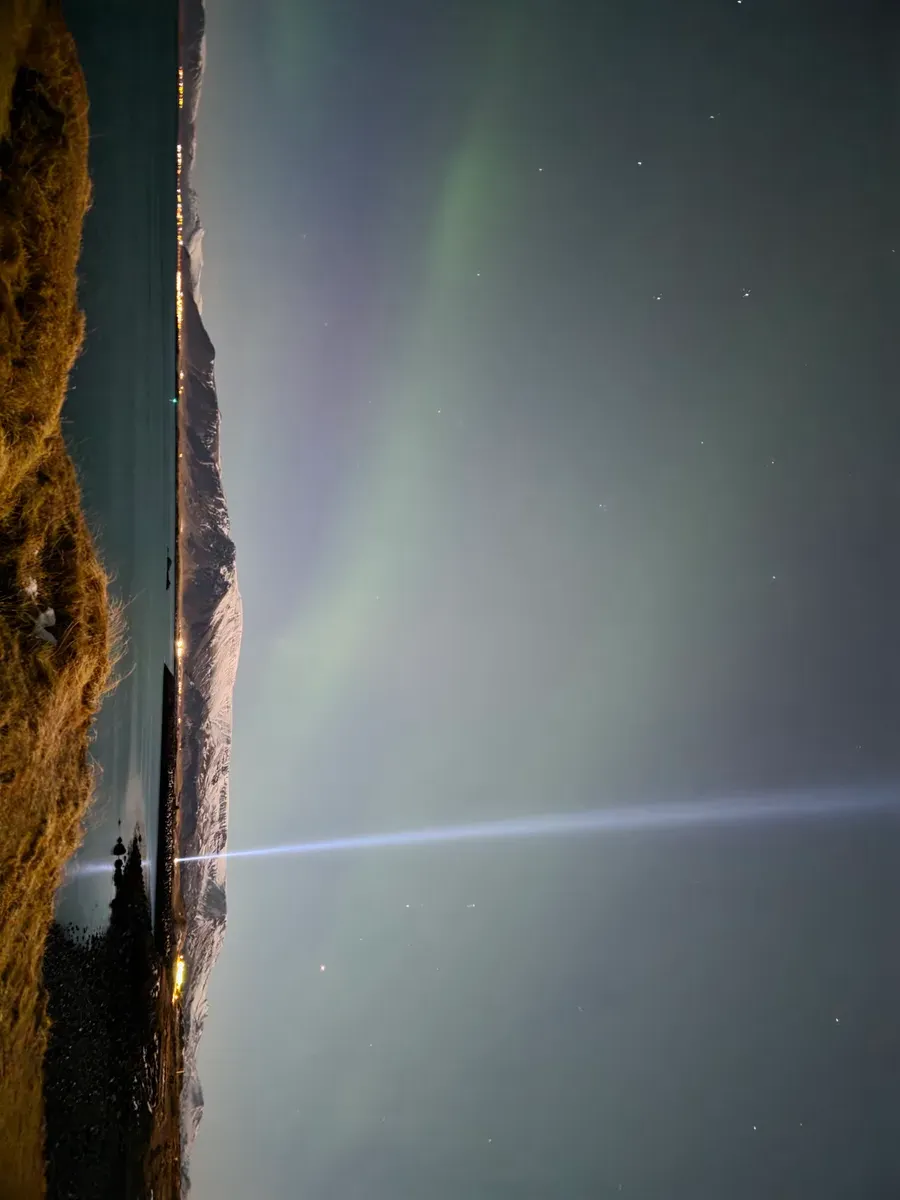
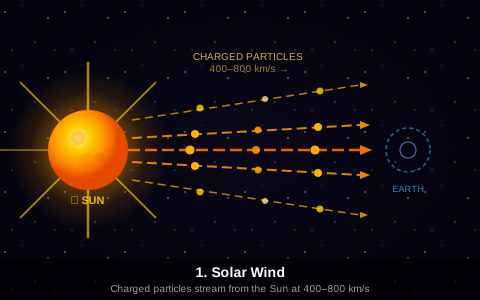
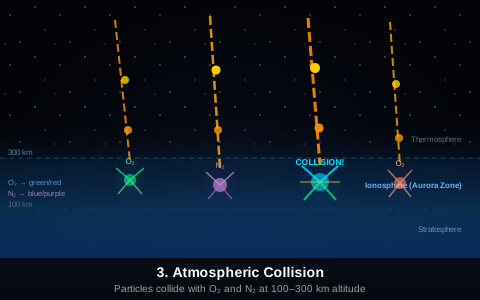
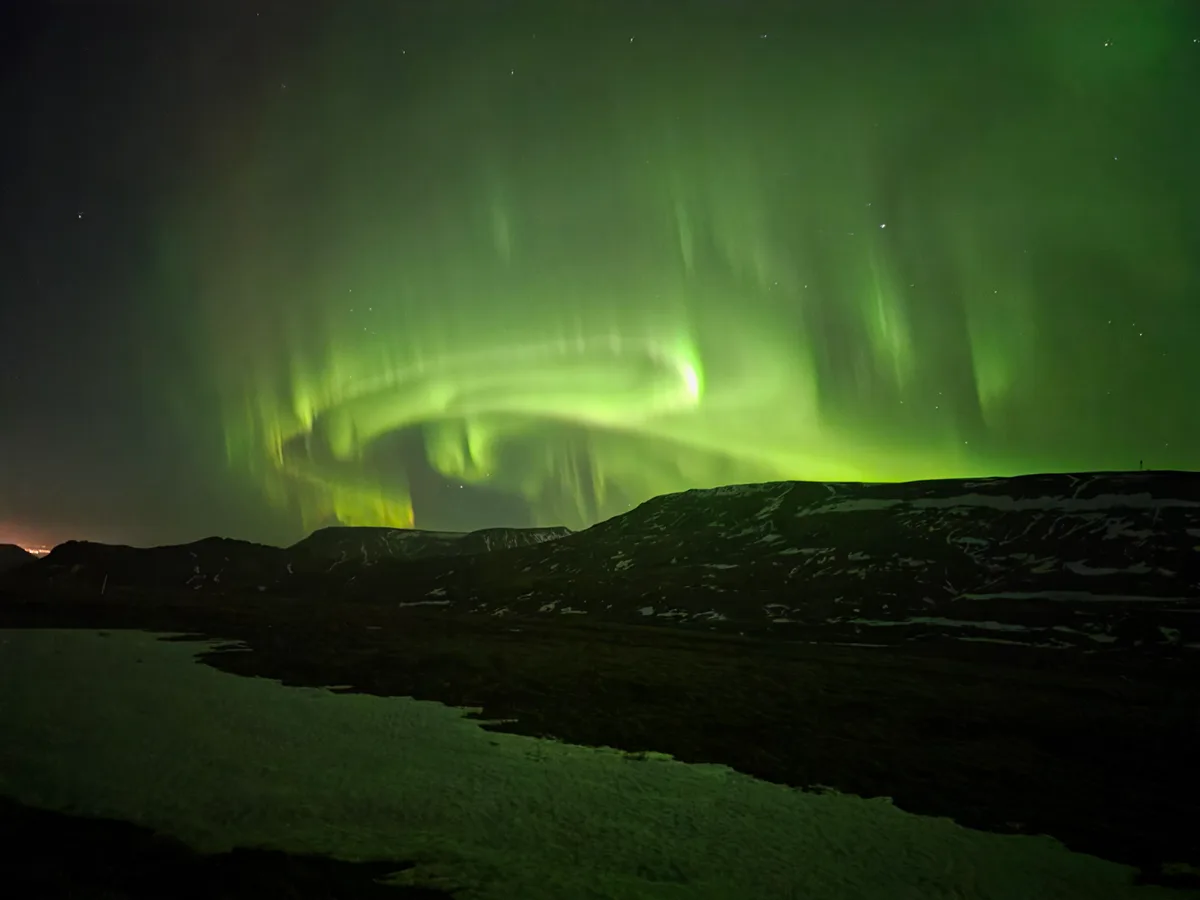
The Northern Lights (Aurora Borealis) are luminous displays in the upper atmosphere caused by charged particles from the sun colliding with gases like oxygen and nitrogen. These collisions create the spectacular green, pink, red, and purple colors dancing across the Arctic sky - one of nature's most breathtaking phenomena.
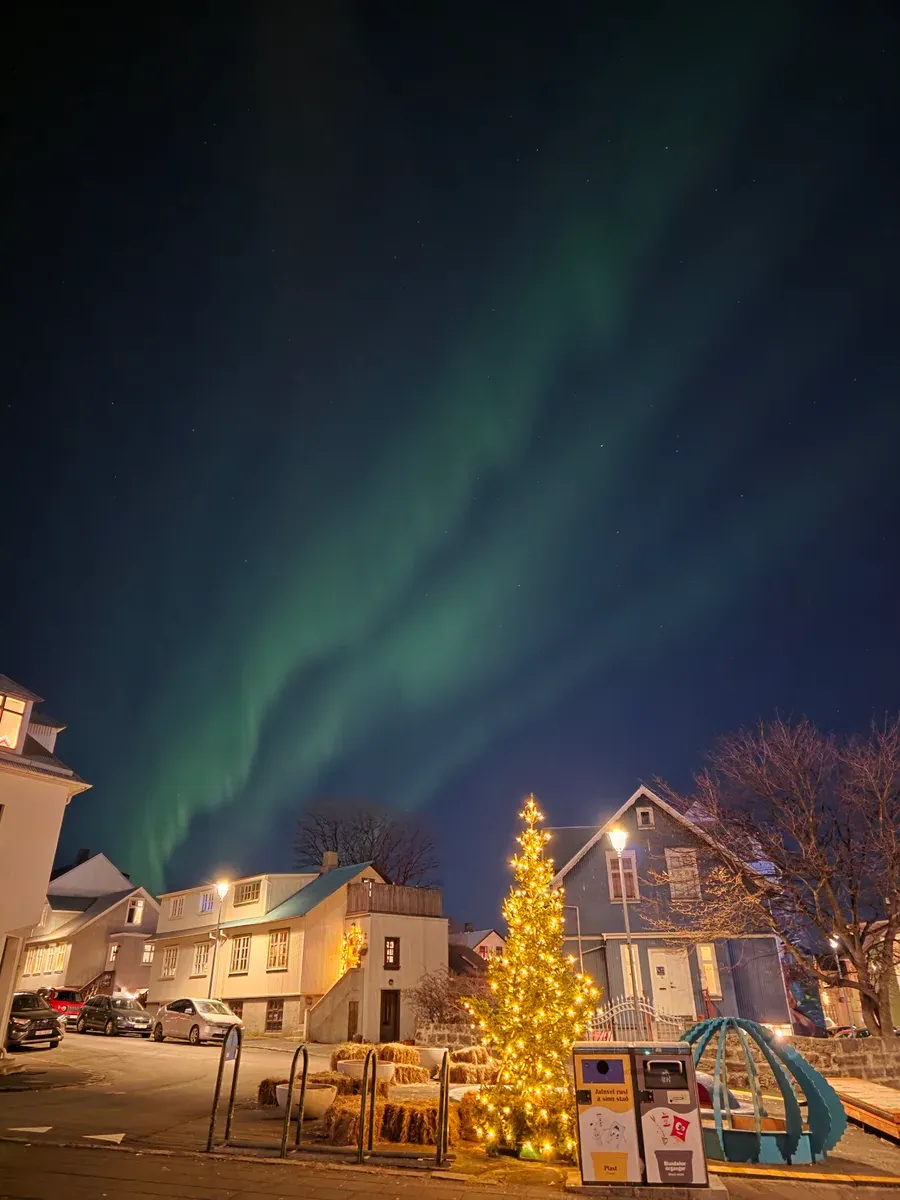
In Iceland, Northern Lights season runs from late August to mid-April, with peak viewing from September to March. The best time of night is typically between 10 PM and 2 AM. Dark, clear skies away from light pollution give you the best chance. We're currently in Solar Cycle 25's peak (2024-2026), making this an exceptional time for aurora hunting!
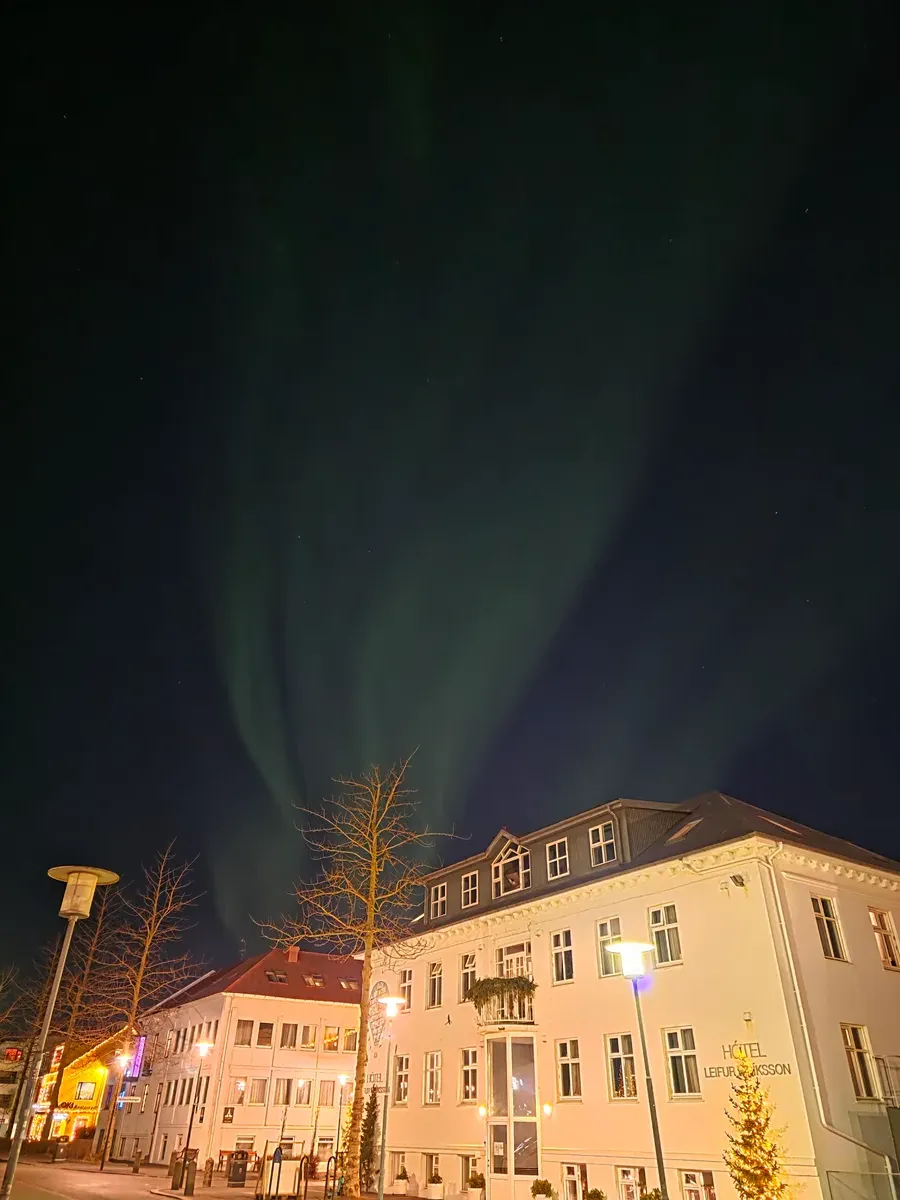
The key is getting away from city lights. Top spots include Þingvellir National Park (45 min from Reykjavík), Jökulsárlón Glacier Lagoon for stunning reflections, the black sand beaches of Vík, Kirkjufell Mountain on Snæfellsnes Peninsula, and anywhere in North Iceland near Akureyri. Use our interactive map to find the best spot for tonight's conditions!
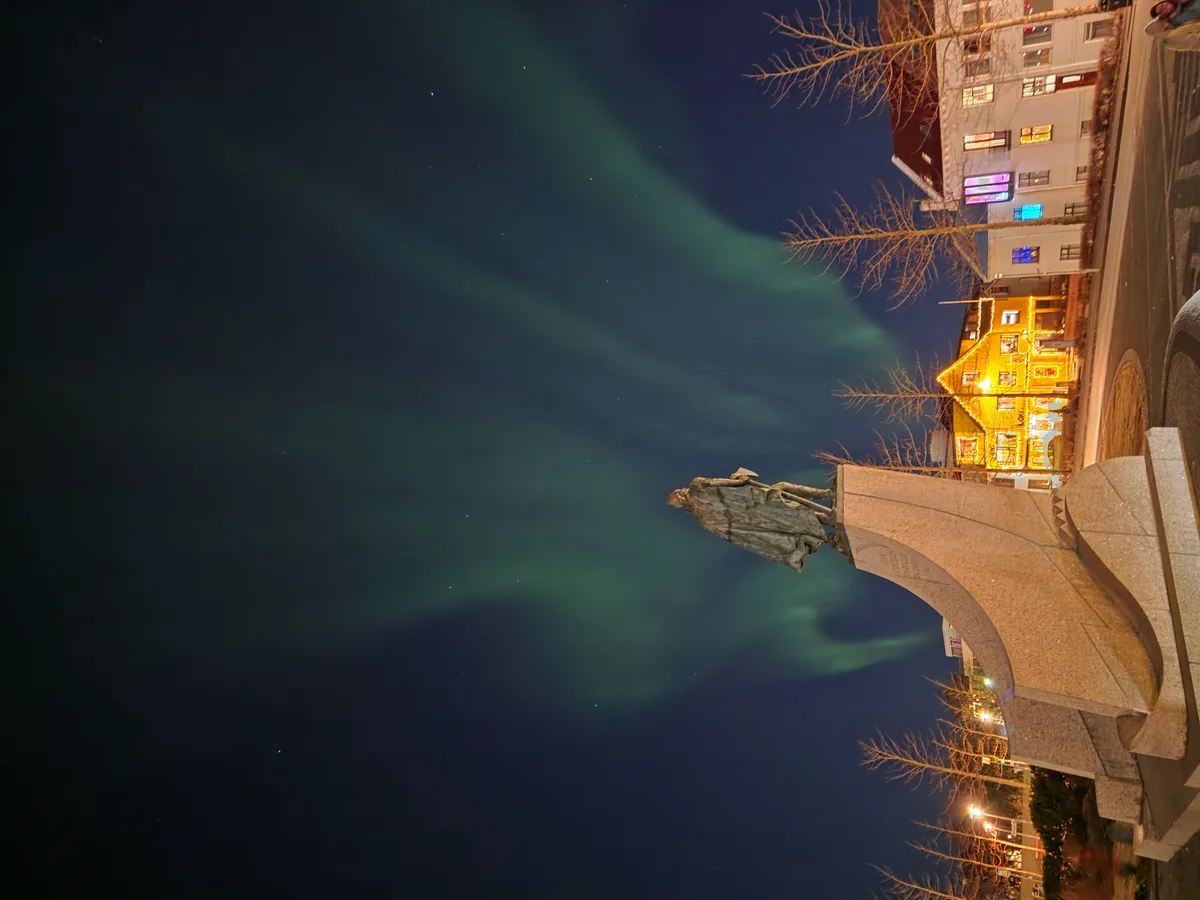
Green is the most common aurora color because it's produced by oxygen atoms at 60-150 miles altitude. When solar particles collide with oxygen at this altitude, they emit light at 557.7 nanometers - which we see as green. Our eyes are also most sensitive to green light. Red comes from higher altitude oxygen, while blue and purple come from nitrogen.
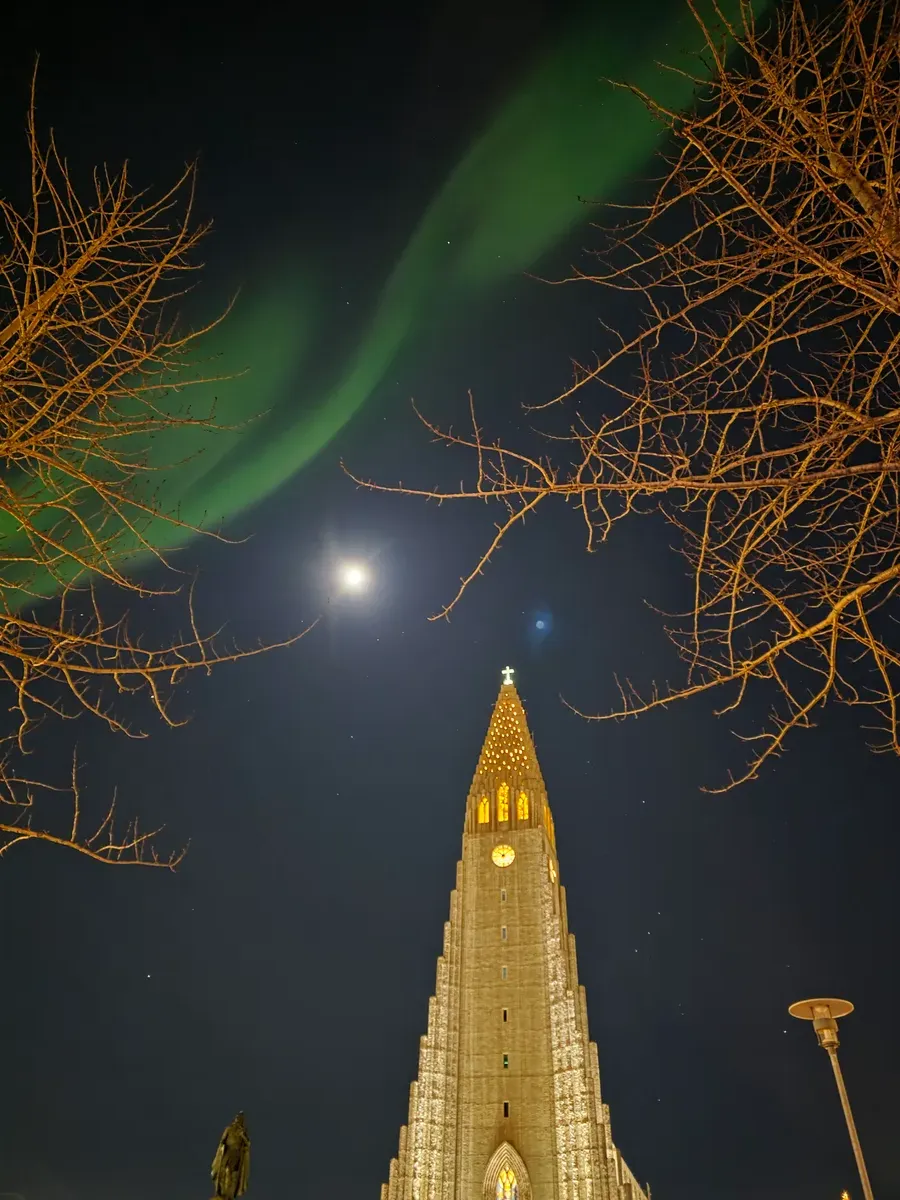
You need a camera with manual controls, a wide-angle lens (f/2.8 or wider is best), and a sturdy tripod. Settings to start: ISO 1600-3200, aperture f/2.8 or widest available, shutter speed 5-25 seconds, and manual focus set to infinity. Shoot in RAW format. Modern smartphones with night mode can also capture auroras, though not as detailed as DSLRs. Don't forget extra batteries - cold drains them fast!
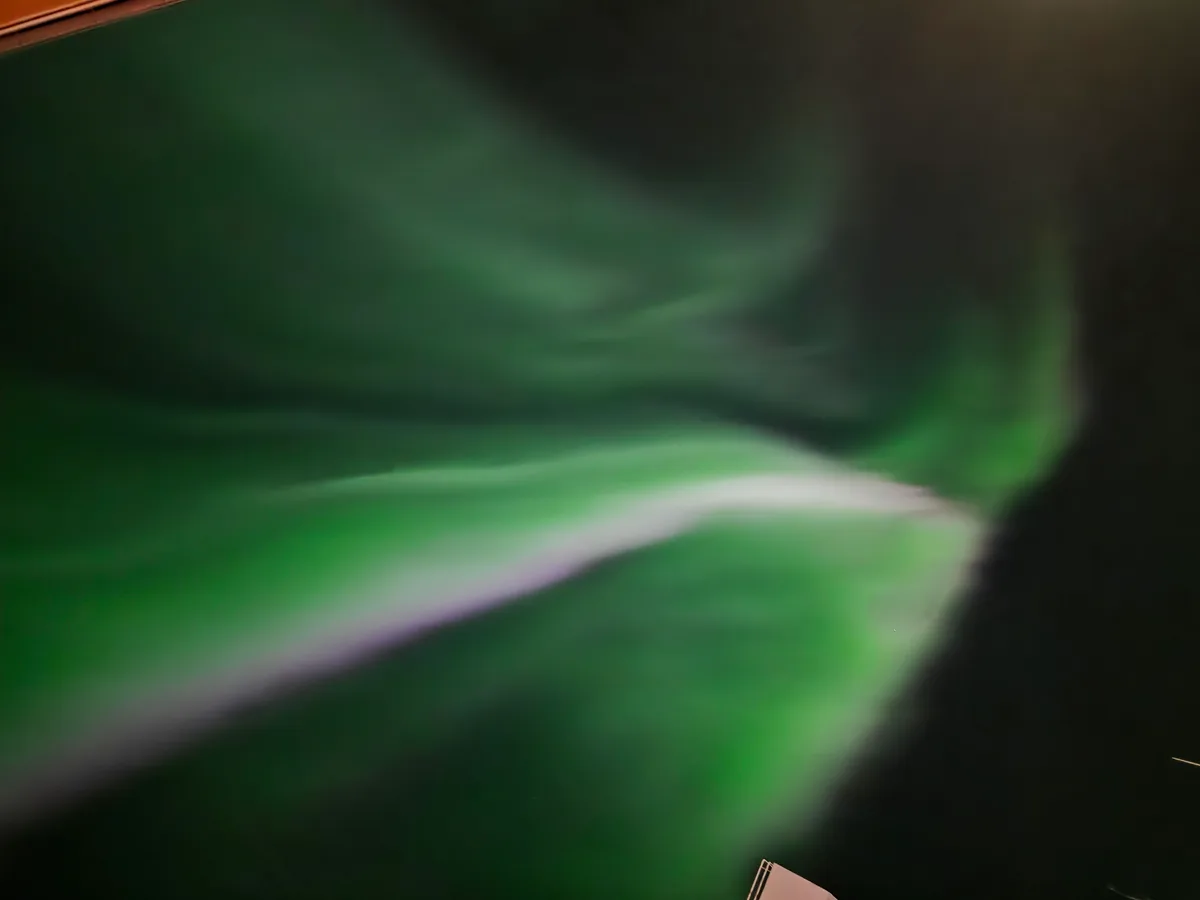
Auroras are active almost every night during winter months, but visibility depends on cloud cover, solar activity, and light pollution. If you spend a week in Iceland during winter with flexible plans, you have roughly an 80% chance of seeing them at least once. Check our real-time forecast to know when conditions are favorable. Sometimes they're faint and only visible to cameras, but often they're brilliant and dancing visibly across the sky!
The KP index measures geomagnetic activity on a scale from 0-9. In Iceland, you can see auroras with KP 2-3 or higher. KP 0-2 = weak (visible only near Arctic Circle), KP 3-4 = moderate (good in Iceland), KP 5-6 = strong (bright displays likely), KP 7-9 = very strong storms (spectacular shows visible even at lower latitudes). Our forecast shows you tonight's predicted KP level!
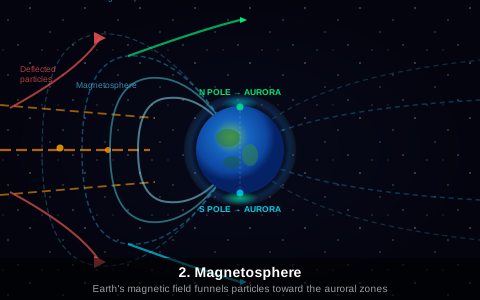
No! Northern Lights are completely harmless to humans. They occur 60-200 miles above Earth, far beyond where we live. The lights themselves pose zero danger. However, very strong geomagnetic storms can affect power grids, GPS accuracy, and radio communications. For aurora watchers, the only real danger is from cold weather - dress warmly in layers and don't stay out so long you risk hypothermia!
Yes! While a full moon's bright light can wash out fainter auroras, strong displays (KP 3+) are still clearly visible. There's even an advantage - moonlight illuminates the landscape beautifully for photos. The darkest nights (new moon) are best for faint auroras, but don't let a full moon discourage you. Many photographers actually prefer a quarter to half moon for perfect landscape illumination!
Both self-guided and tours have advantages. Tours provide expert guides who know the best locations, handle winter driving, teach aurora science and photography, and most offer free rebooking if clouds block the view. Self-guided gives you flexibility to chase clear skies anywhere and stay out as long as you want. If inexperienced with winter driving or new to aurora hunting, tours are highly recommended. Check our Tours page for options!
Aurora forecasts monitor solar activity (flares and coronal mass ejections), KP index predictions, cloud cover, moon phase, and light pollution. Solar activity is predictable 1-3 days in advance, but cloud cover can change rapidly. AuroraVision combines all these factors into an easy-to-understand forecast showing your chances tonight. We update every 2 minutes for maximum accuracy. Best strategy: check forecasts multiple times daily and be flexible!
Essential items: warm layered clothing (avoid cotton - choose wool or synthetics), insulated waterproof boots rated for -20°C, thermal gloves plus thin gloves for camera operation, warm hat covering ears, headlamp with red light mode (preserves night vision), thermos with hot drinks, snacks, camera gear if photographing, extra batteries (cold drains them fast), and most importantly - patience! Aurora displays can be unpredictable but worth the wait.