Everything you need to successfully see and photograph the Aurora Borealis in Iceland
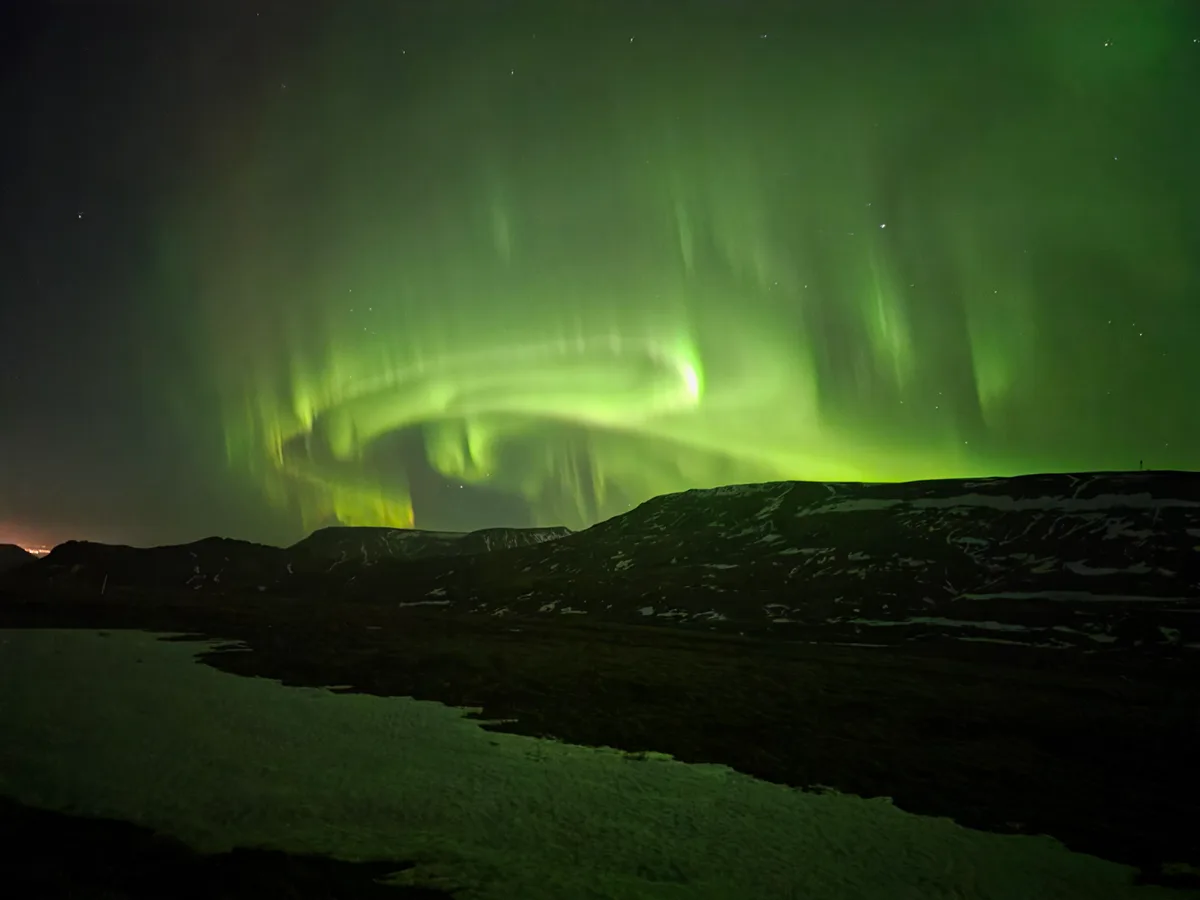
45 minutes from Reykjavík - UNESCO World Heritage site with dramatic rift valley scenery. Minimal light pollution, safe parking areas, and easy access make this perfect for first-time aurora hunters. The historical significance of this ancient Viking parliament site adds extra meaning to your aurora experience.
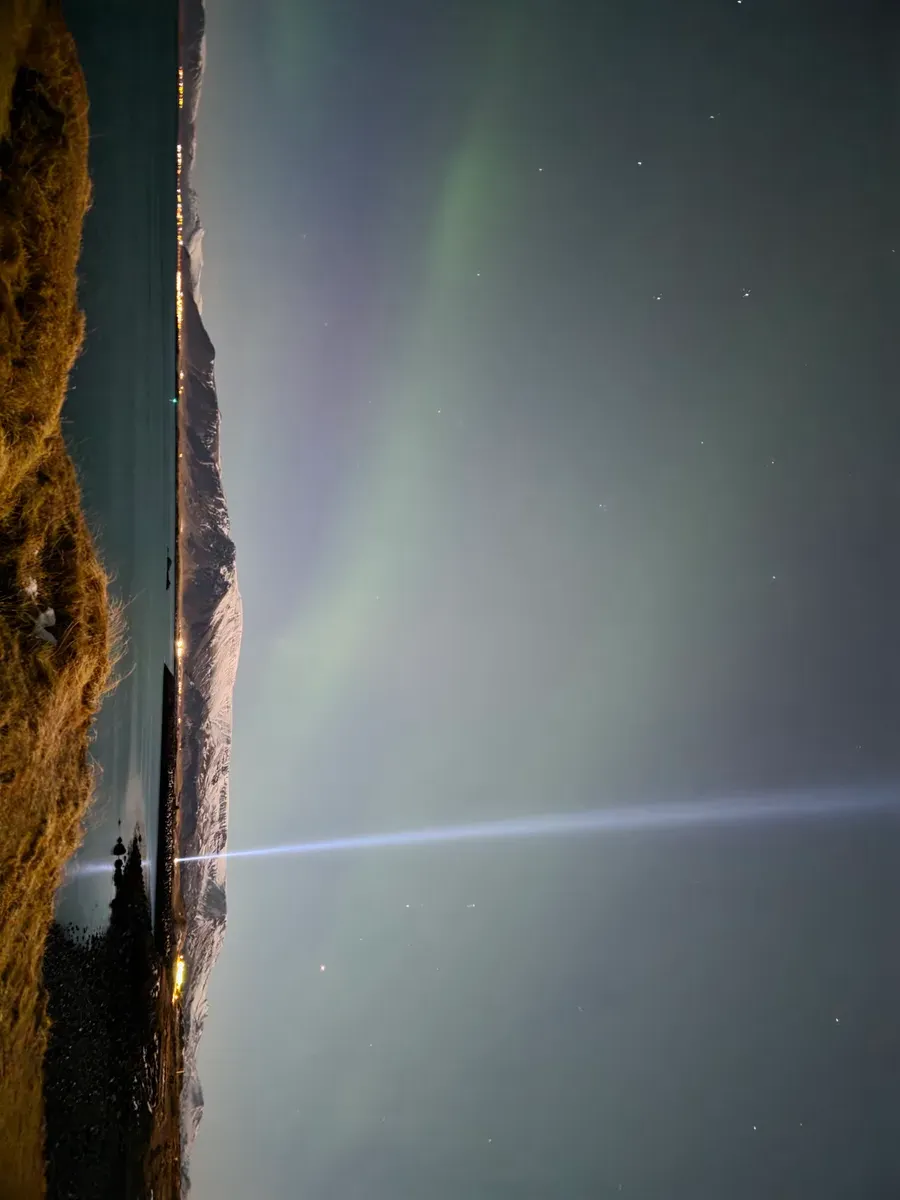
Southeast Iceland - Iceland's most photogenic aurora location! Icebergs floating in the lagoon create stunning reflections of the dancing lights. Nearby Diamond Beach features ice chunks on black sand for even more dramatic compositions. Arrive early as photographers gather here.
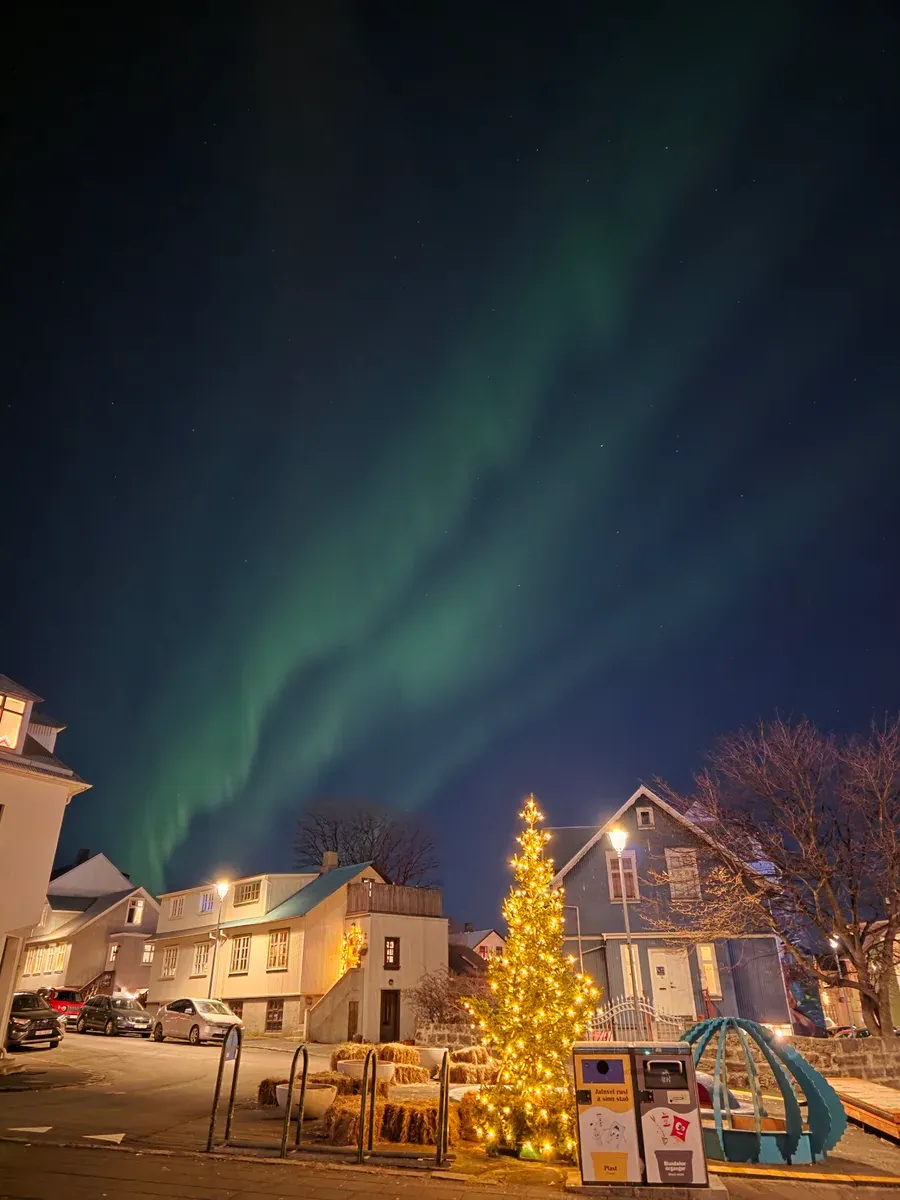
Snæfellsnes Peninsula - Iceland's most photographed mountain with its perfect triangular shape. The nearby waterfall creates the classic composition you've seen on Instagram. This iconic location delivers unforgettable aurora photos, though expect other photographers at the designated viewing spot.
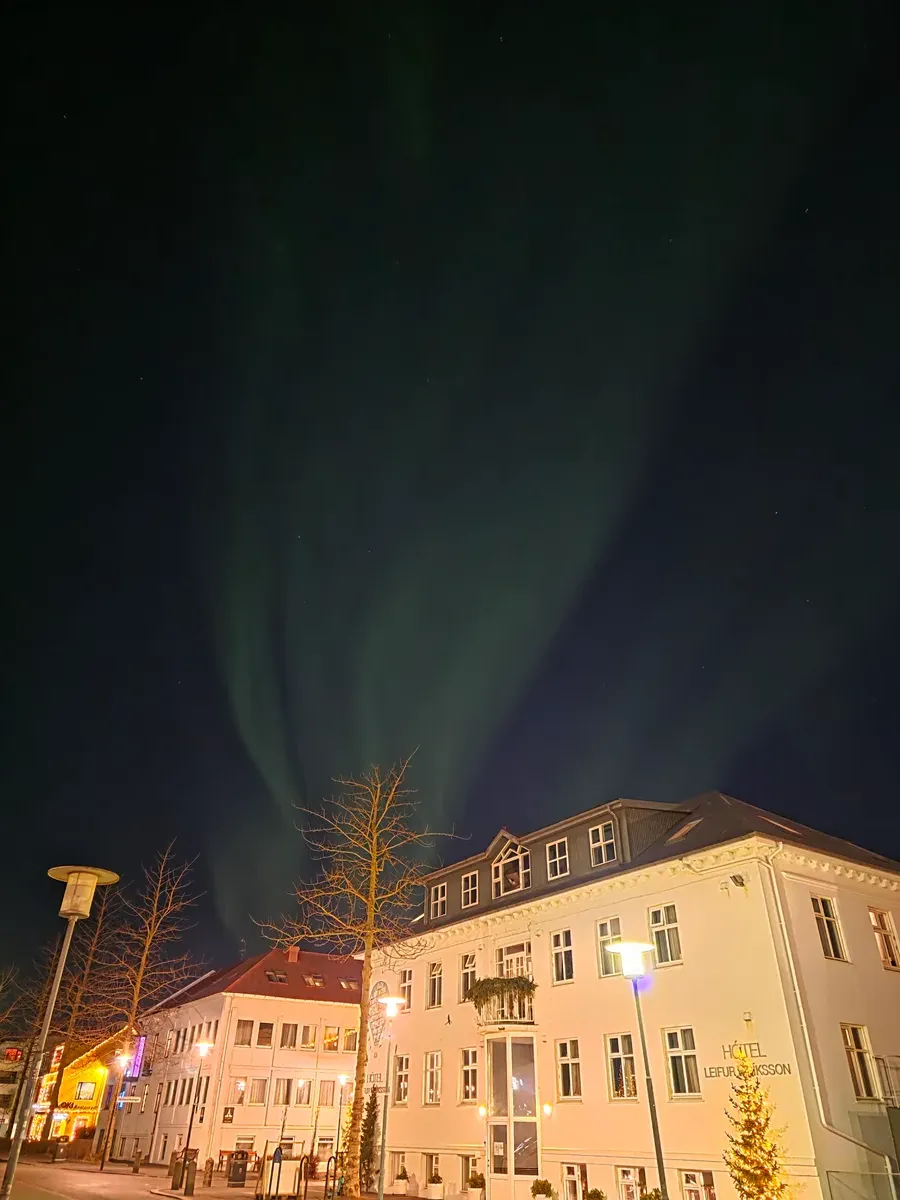
Vík & South Coast - Reynisfjara with Reynisdrangar sea stacks creates dramatic contrast: black sand, white waves, and green aurora dancing overhead. Multiple beaches along the south coast offer similar dramatic views. ⚠️ SAFETY WARNING: Never turn your back on the ocean - sneaker waves have killed tourists here!
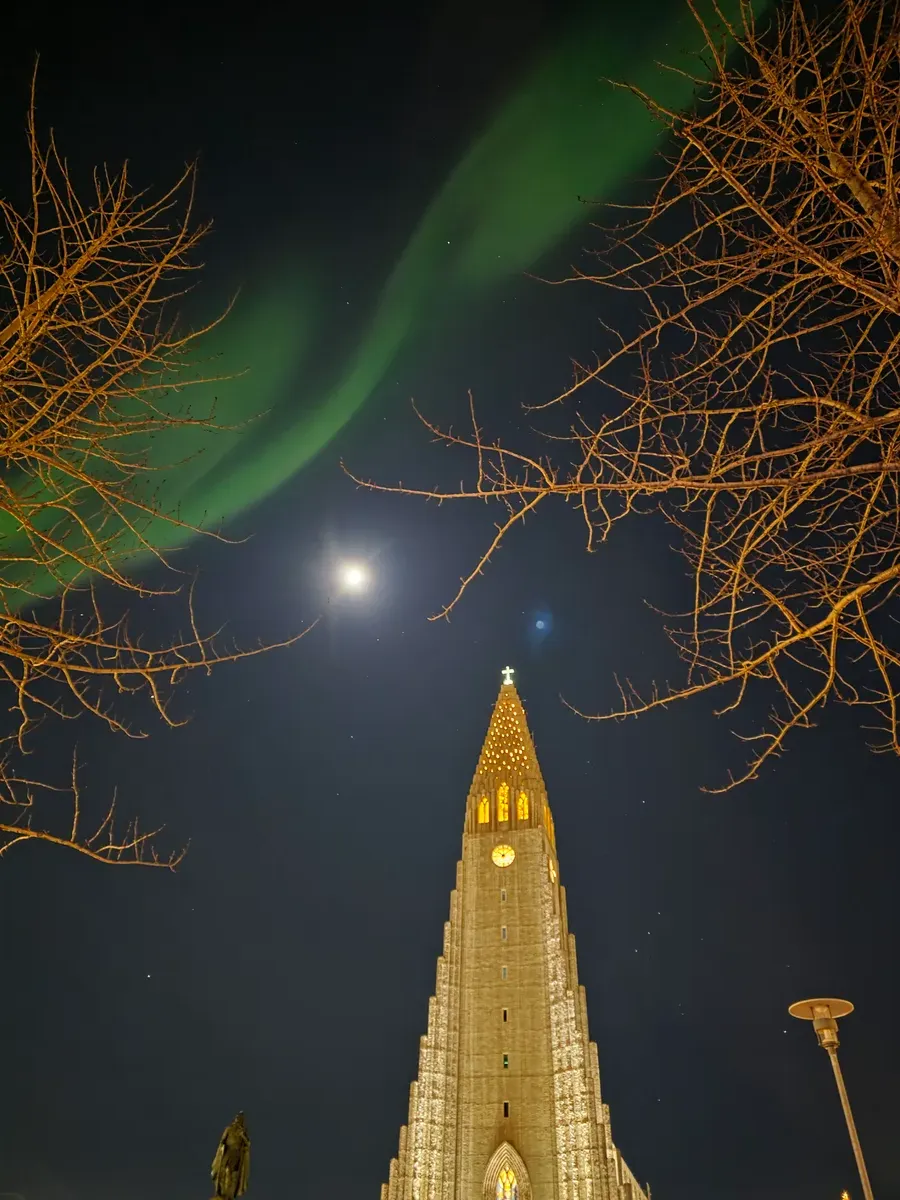
Closer to Arctic Circle - Higher latitude means stronger aurora visibility and higher success rates. Lake Mývatn offers diverse landscapes including pseudocraters and geothermal areas. Goðafoss waterfall provides a powerful foreground. Fewer tourists than southern locations add to the experience.
ISO: 1600-3200
Aperture: f/2.8 or widest
Shutter: 5-25 seconds
Focus: Manual infinity (∞)
Format: Shoot in RAW
• DSLR or mirrorless camera
• Wide-angle lens (14-24mm)
• Sturdy tripod (essential!)
• Remote shutter or timer
• Extra batteries (cold drains fast!)
• Include interesting foregrounds
• Use rule of thirds
• Look for water reflections
• Shoot wide AND close-ups
• Test focus before auroras appear
iPhone 13+, Pixel 6+, Samsung S21+ can capture auroras!
• Use Night/Pro mode
• ISO 1600-3200
• 10-30 sec exposure
• Use phone tripod
Merino wool or synthetic thermal underwear. Avoid cotton - it retains moisture!
Fleece or wool sweater for insulation. Multiple thin layers better than one thick layer.
Waterproof and windproof shell jacket + pants. Iceland's weather changes rapidly!
Thick mittens + thin gloves for camera operation. Hand warmers help!
Insulated waterproof boots rated -20°C + wool socks (maybe two pairs!).
Warm hat covering ears + scarf or balaclava for wind protection.
Check tonight's forecast and start your Northern Lights adventure!