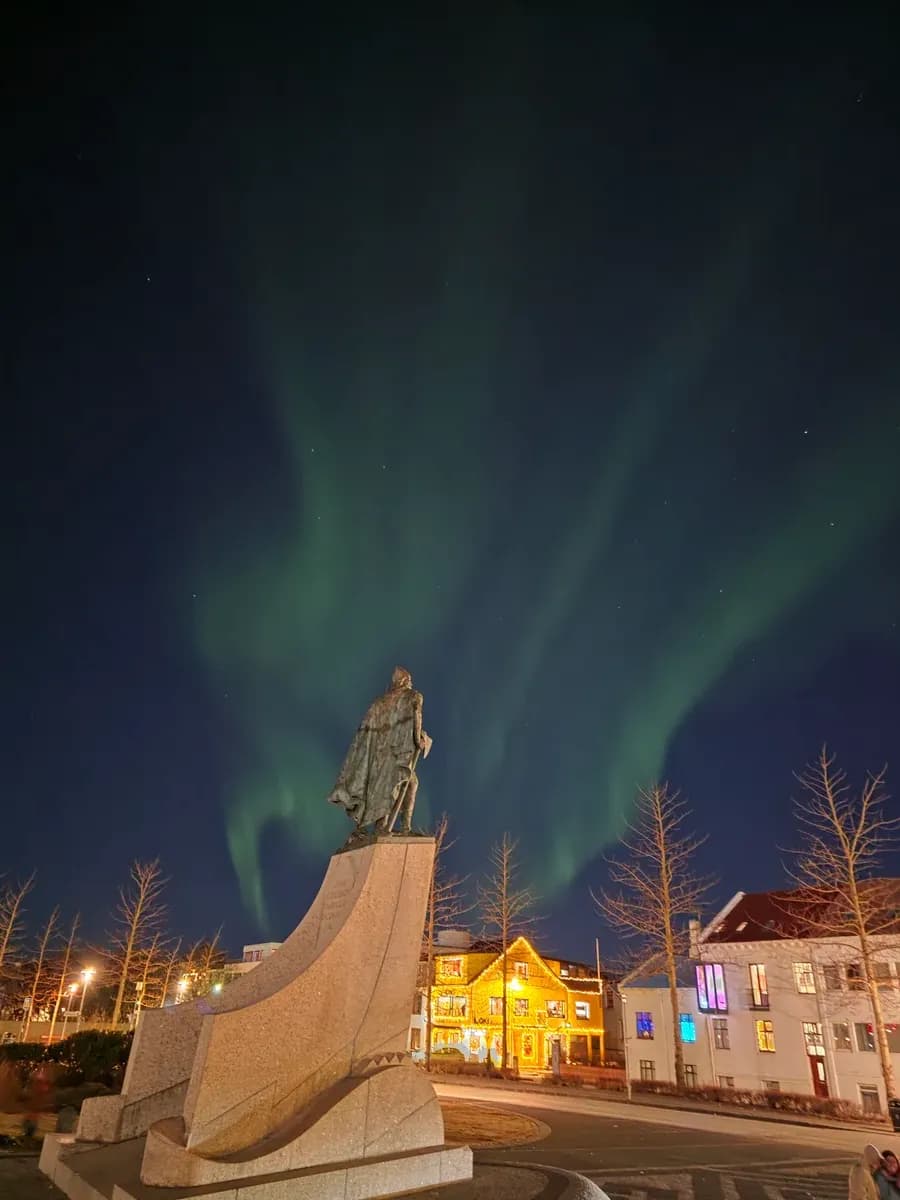
Destinations
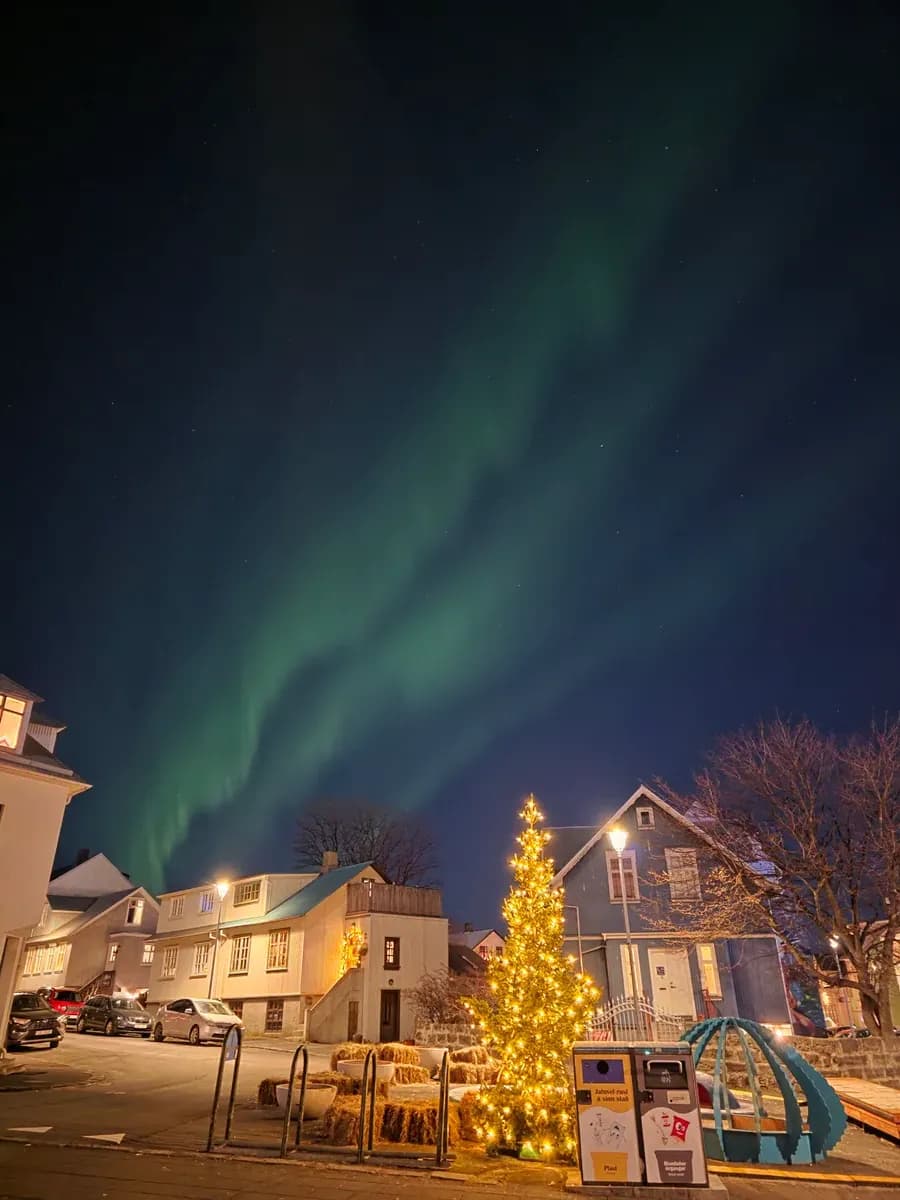
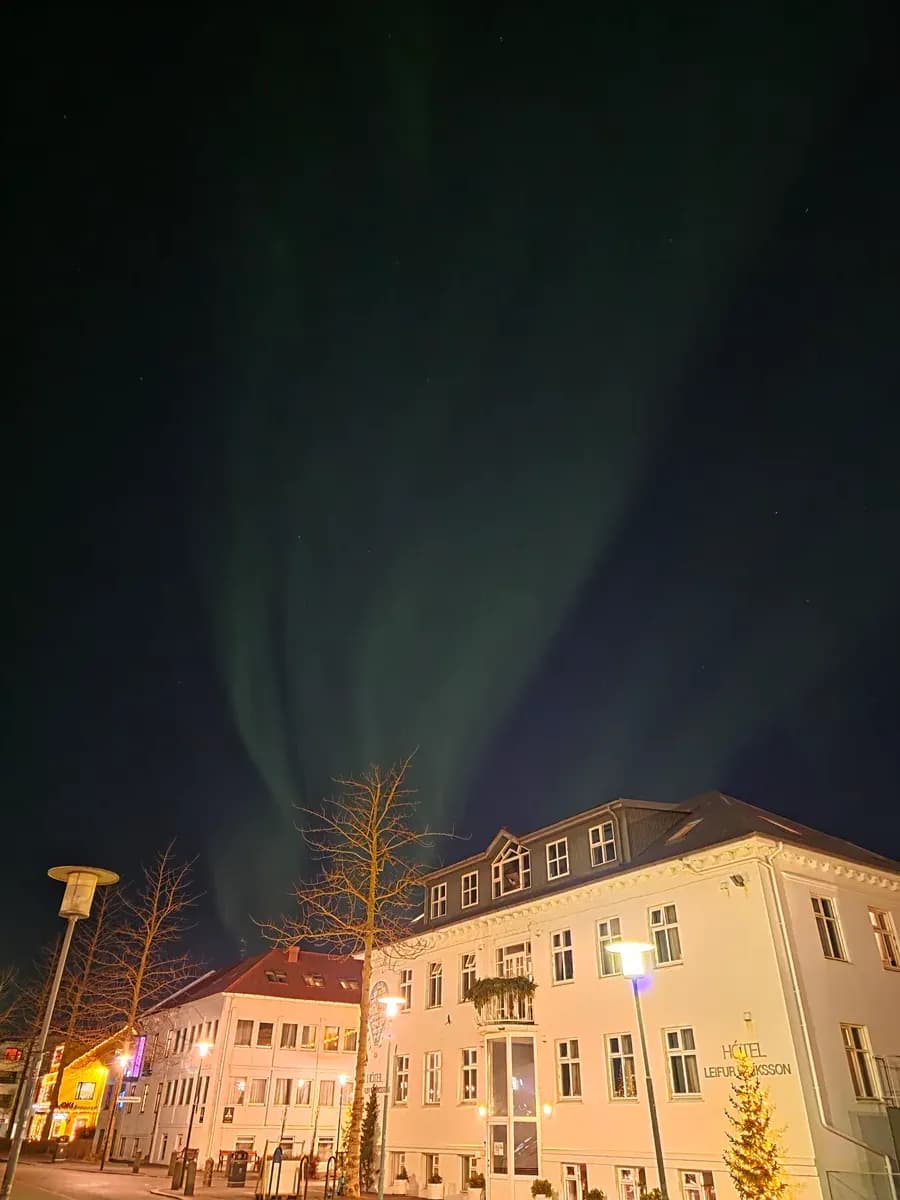
Best Viewing Locations
Timing
When to Go
Aurora viewing requires darkness — Iceland has none from May to July (midnight sun). The prime season runs September through March, when nights are long and KP activity is strongest.
Jan
90%
Excellent
Feb
90%
Excellent
Mar
80%
Very Good
Apr
45%
Fair
May
5%
Midnight Sun
Jun
0%
Midnight Sun
Jul
0%
Midnight Sun
Aug
10%
Very Low
Sep
70%
Good
Oct
85%
Very Good
Nov
90%
Excellent
Dec
90%
Excellent
Preparation
What You Need
🎒 Gear Checklist
- ✓Thermal base layer (merino wool preferred)
- ✓Insulated mid-layer fleece or down jacket
- ✓Waterproof outer shell — wind and rain
- ✓Thermal hat and balaclava for extreme cold
- ✓Insulated waterproof gloves or mittens
- ✓Wool socks + waterproof hiking boots
- ✓Hand and foot warmers for extended outings
- ✓Headlamp with red-light mode (preserves night vision)
- ✓Thermos with hot drink (coffee or tea)
- ✓Phone battery pack (cold drains batteries fast)
📷 Photography Tips
- →Use a wide-angle lens (14–24mm) for sweeping skies
- →Set ISO between 800–3200 depending on brightness
- →Aperture f/2.8 or wider to capture faint displays
- →Exposure: 2–20 seconds (shorter for active aurora)
- →Manual focus set to infinity for sharp stars
- →Use a remote shutter to avoid camera shake
- →Bring extra batteries — cold kills them quickly
- →Shoot RAW for maximum post-processing latitude
- →Include foreground elements: glaciers, waterfalls, farms
- →Apps: PhotoPills or Planit for planning compositions
Understanding Data
How to Read the Forecast
🌐
KP Index
The Planetary K-index (0–9) measures global geomagnetic activity. KP 3 is the minimum for aurora at Iceland's latitude. KP 5+ guarantees strong displays; KP 7+ means aurora visible at low latitudes.
KP 0–2No aurora
KP 3–4Faint curtains
KP 5–6Strong green bands
KP 7–9Explosive full-sky
🧲
Bz Component
The north–south component of the interplanetary magnetic field. When Bz turns strongly negative (southward), solar wind energy efficiently couples into Earth's magnetosphere, triggering auroras.
Bz > 0 nTNorthward — inactive
Bz −1 to −5 nTSlightly active
Bz −5 to −15 nTGood conditions
Bz < −15 nTStorm conditions
☁️
Cloud Cover
Cloud cover is the single biggest enemy of aurora viewing. Even a KP 8 storm is wasted under 100% cloud. A clear sky (0–20%) is essential. Patchy clouds can still allow viewing through breaks.
0–20%Clear — ideal
20–50%Partly cloudy
50–80%Mostly overcast
80–100%Overcast — poor
Safety
Safety Tips
🛣️
Check Road Conditions
Always check vegagerdin.is before driving. Iceland's weather changes rapidly and roads can close without warning, especially in winter.
🌊
Watch the Tides
If shooting on beaches like Reynisfjara, never turn your back to the ocean. Sneaker waves claim lives every year — stay well back from the waterline.
🧥
Dress in Layers
Hypothermia is a real risk when standing still outdoors for hours at -15°C. Dress warmer than you think you need to, and bring backup layers in your car.
⚠️
Never Stop on a Ringroad Blind
Pulling over on the Ring Road in darkness is dangerous. Use designated pull-offs or marked viewpoints only. Keep your hazard lights on if you must stop.
Articles
Latest Aurora Articles
Browse recent guides, news, and insights about aurora conditions, photography, and travel planning.
Why Is Aurora Score Low? What It Means Tonight
KP Index Accuracy for Northern Lights Forecasts
A Cloudy Forecast Aurora Success Example
How to Read Geomagnetic Forecasts for Aurora
How to Use Cloud Maps for Northern Lights
Why Northern Lights Colors Change in the Sky
How to Choose an Aurora Viewing Window Tonight
Are Aurora Tours Worth Booking for Your Trip?
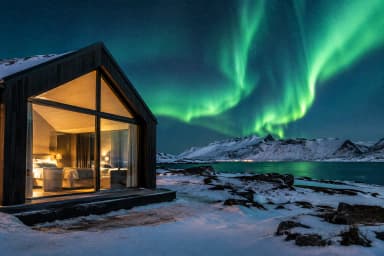
How to Choose the Best Iceland Aurora Cabins
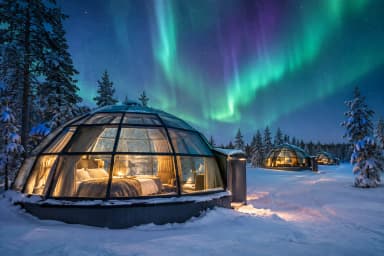
Finland Glass Igloo Guide for Aurora Nights
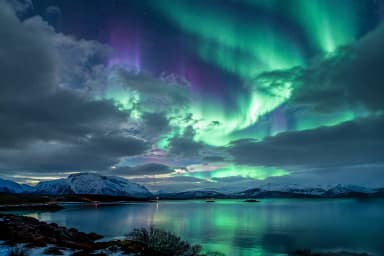
Do Clouds Block Aurora? What You Can Still See
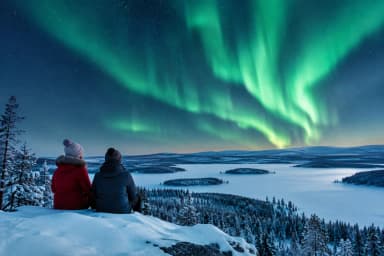
Finland Aurora Itinerary: 7 Nights for Better Odds
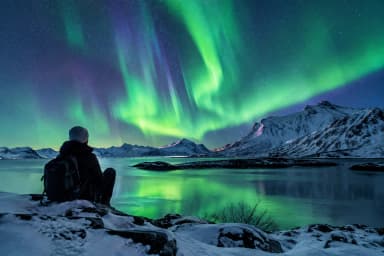
Aurora Season Dates for Your Northern Lights Trip
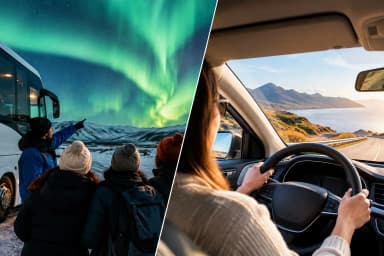
Aurora Tours Versus Self Driving: Which Fits?
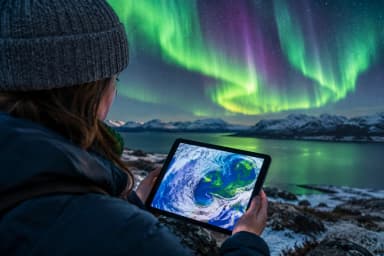
How to Read Cloud Cover Maps for Aurora Viewing
12 Aurora Viewing Mistakes That Cost You the Show
Solar Wind KP: What It Means for Aurora Viewing
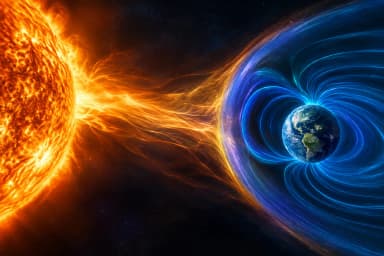
Solar Wind Versus Geomagnetic Activity Explained

Aurora App Comparison: What Actually Predicts Visibility
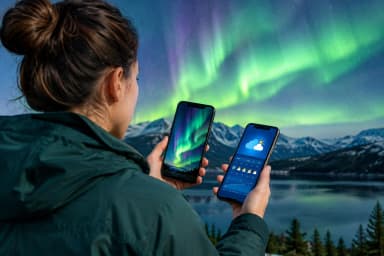
Aurora Alerts Versus Weather Apps Explained
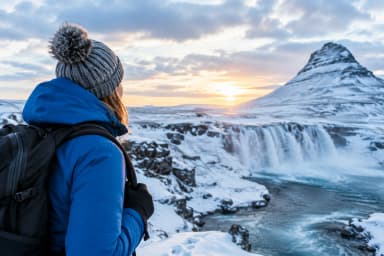
Iceland Weather Safety Guide for Winter Travel
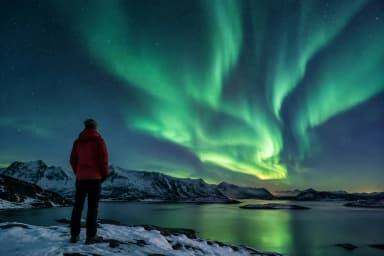
How to Find Clear Skies for Northern Lights
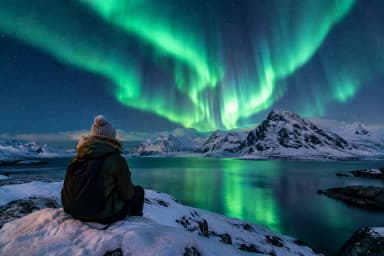
Aurora Forecast 2026 for Northern Lights Trips
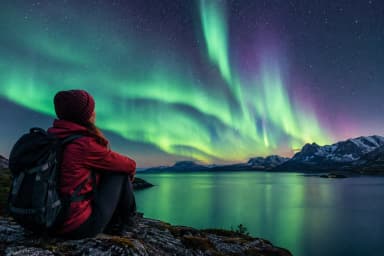
Plan a Successful Low Activity Aurora Chase
Solar Cycle Peak Timeline for Aurora Travelers
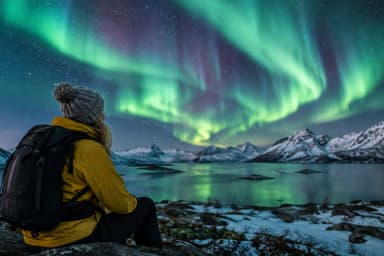
How to Plan an Aurora Chase With Confidence
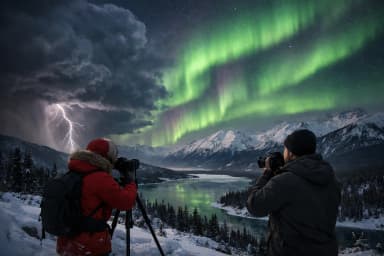
Alaska Storm Chase for Northern Lights Trips
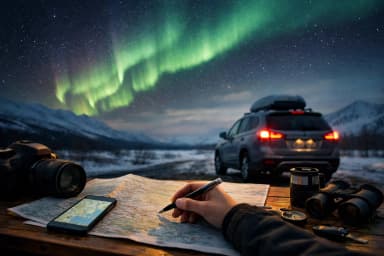
Plan an Aurora Road Trip That Actually Works
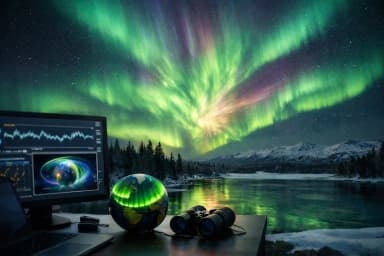
What Causes Aurora Substorms? The Science Explained

Aurora Forecast Applications That Help You Decide
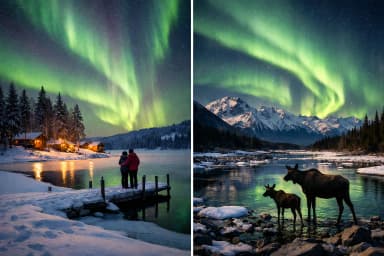
Finland Alaska Aurora Trips: Which Is Better?
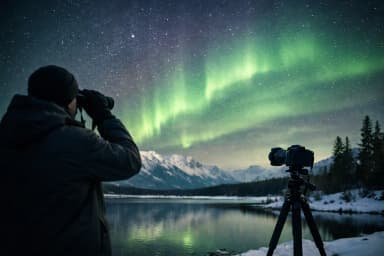
Is a Low KP Sufficient for Northern Lights?
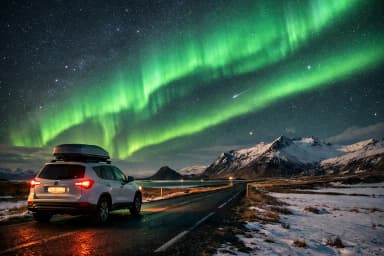
Iceland Aurora Roadtrip for Clearer Nights
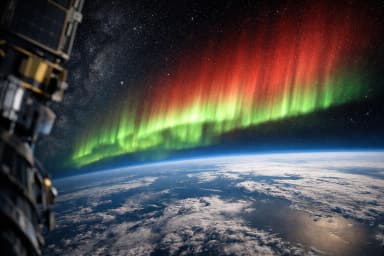
When IMF Turns South, Aurora Can Intensify
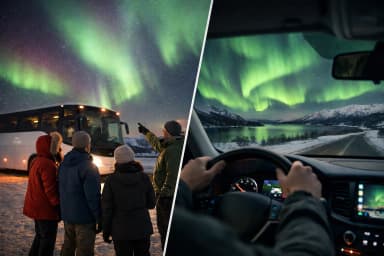
Guided Tours Versus Self Driving for Aurora
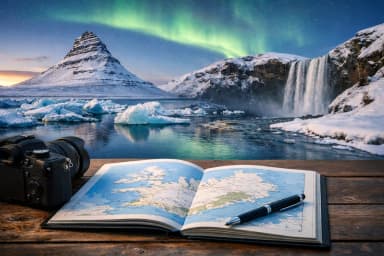
5 Best Iceland Winter Itineraries for 2026
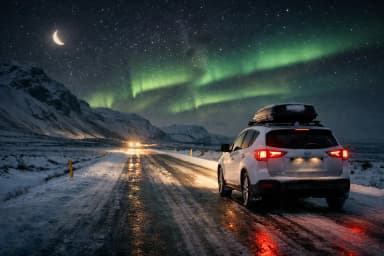
Driving Iceland at Night in Winter Safely
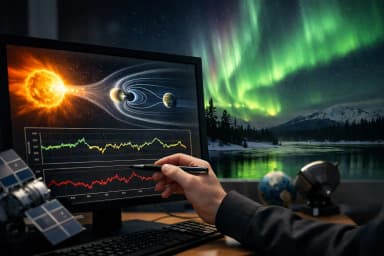
How to Interpret IMF Bz Readings for Aurora
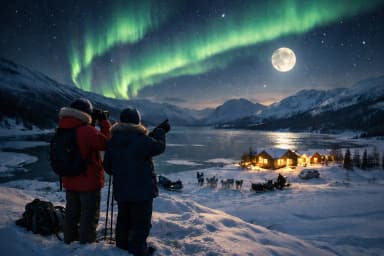
Arctic Travel Plans That Work After Dark
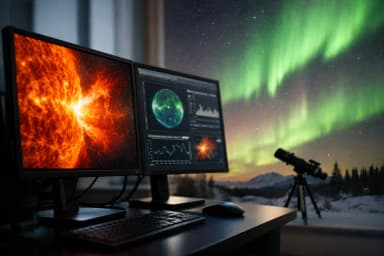
CME Forecasting for Better Aurora Plans
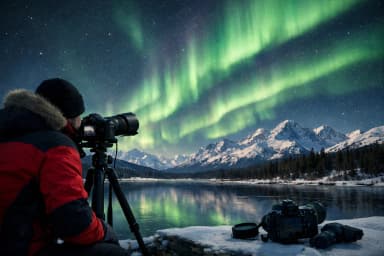
Alaska Aurora Photography Guide for Clear Shots
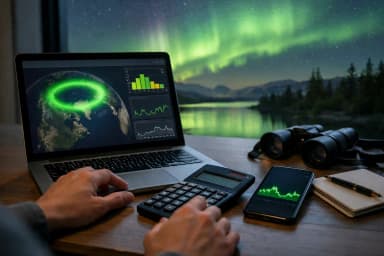
How to Calculate Live Aurora Score Tonight
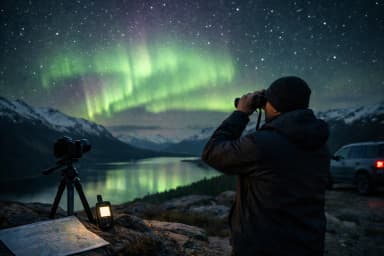
How to Find Dark Sky Locations for Aurora Viewing
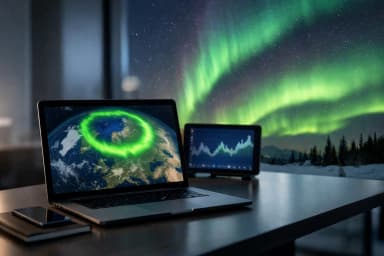
What Aurora Forecast Accuracy Can Tell You
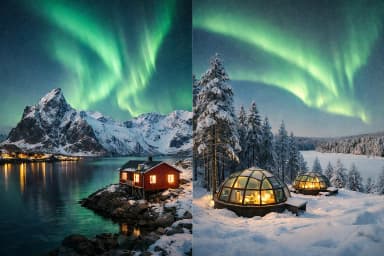
Norway or Finland Aurora for Your Winter Trip
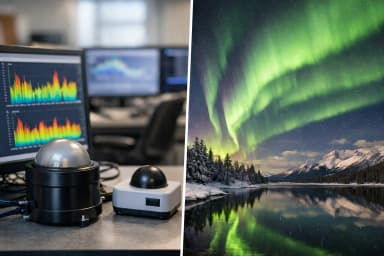
KP Index Versus Aurora Score for Tonight
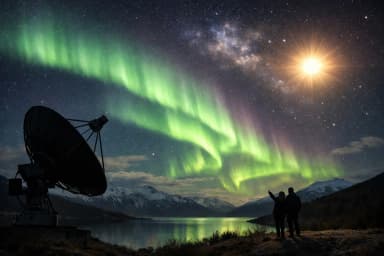
What Space Weather Means for Aurora Viewing
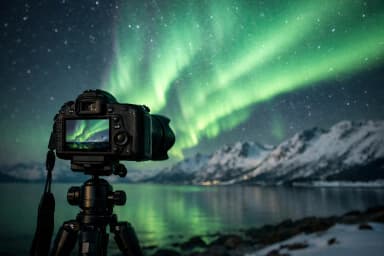
Northern Lights Camera Settings That Work
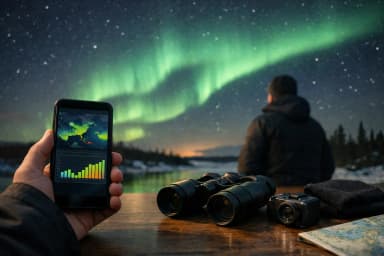
How to Read Aurora Alerts Before You Head Out
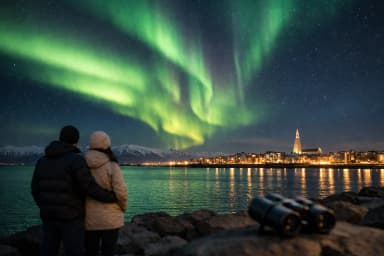
Aurora Reykjavík: Where and When to Look Tonight
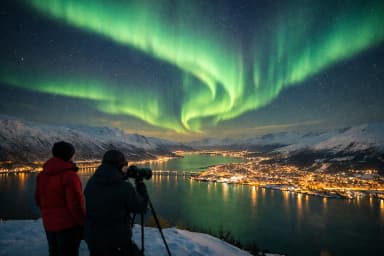
Tromso Northern Lights Locations That Work
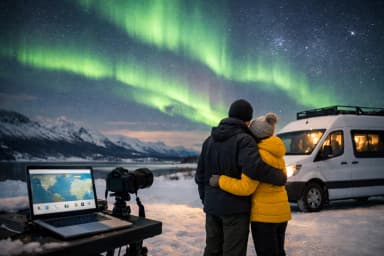
Aurora Tour Booking for a Better Night Outside
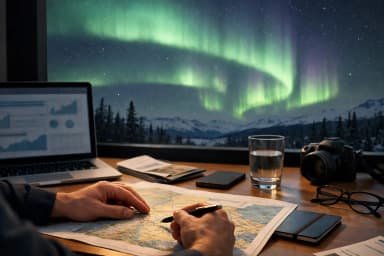
Aurora Tourism Means Planning for Uncertainty
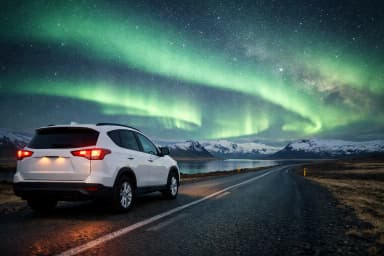
Iceland Car Rental Aurora: Drive for Clear Skies
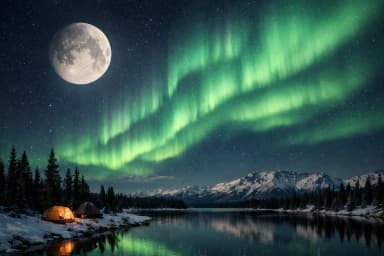
Moon Phase Aurora Viewing and Northern Lights
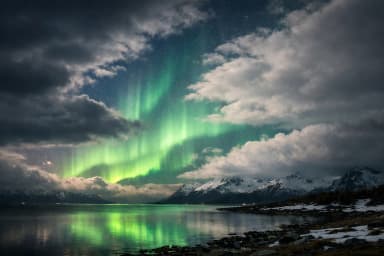
Cloud Cover for Northern Lights Explained
Bz Value Aurora Forecast: What It Means Tonight
Iceland Aurora Alert App for Smarter Nights
Best Time for Northern Lights in Iceland Explained
Northern Lights Iceland Cost for a 5-Night Trip
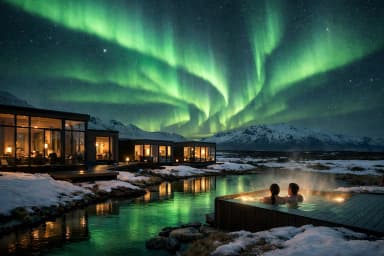
Northern Lights Hotels Iceland for Clear Nights
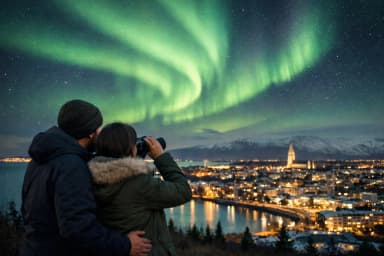
Reykjavik Northern Lights Viewing Tips Tonight
Solar Wind Aurora and the Lights You See
KP Index Iceland: What It Means for Aurora
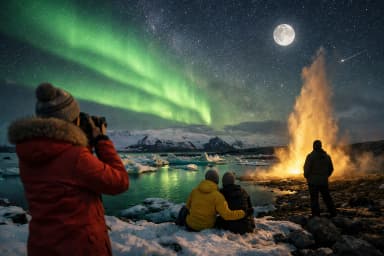
Iceland Night Tours That Fit Your Travel Style
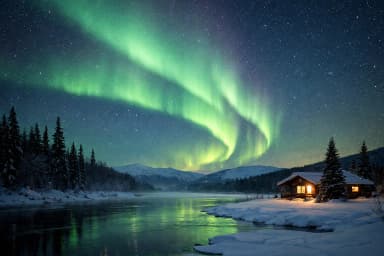
When Is Fairbanks Northern Lights Season?
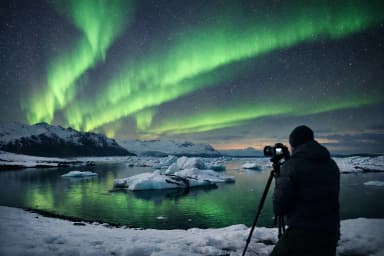
Northern Lights Forecast Iceland for Tonight
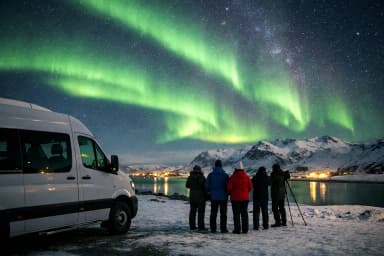
Northern Lights Tours Iceland: What to Know
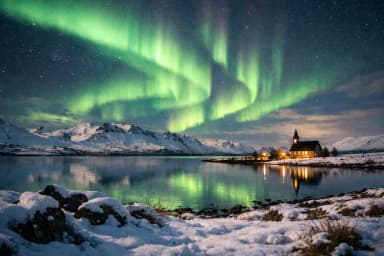
Best Nights for Aurora Borealis in Iceland
Book a Tour
Northern Lights Tours in Iceland
Browse and book guided aurora tours from Reykjavík — small groups, expert local guides, and free rescheduling if the aurora doesn't show.
Gallery
Aurora Moments


Ready to Chase the Aurora?
Check tonight's live forecast or book a guided northern lights tour from Reykjavík.