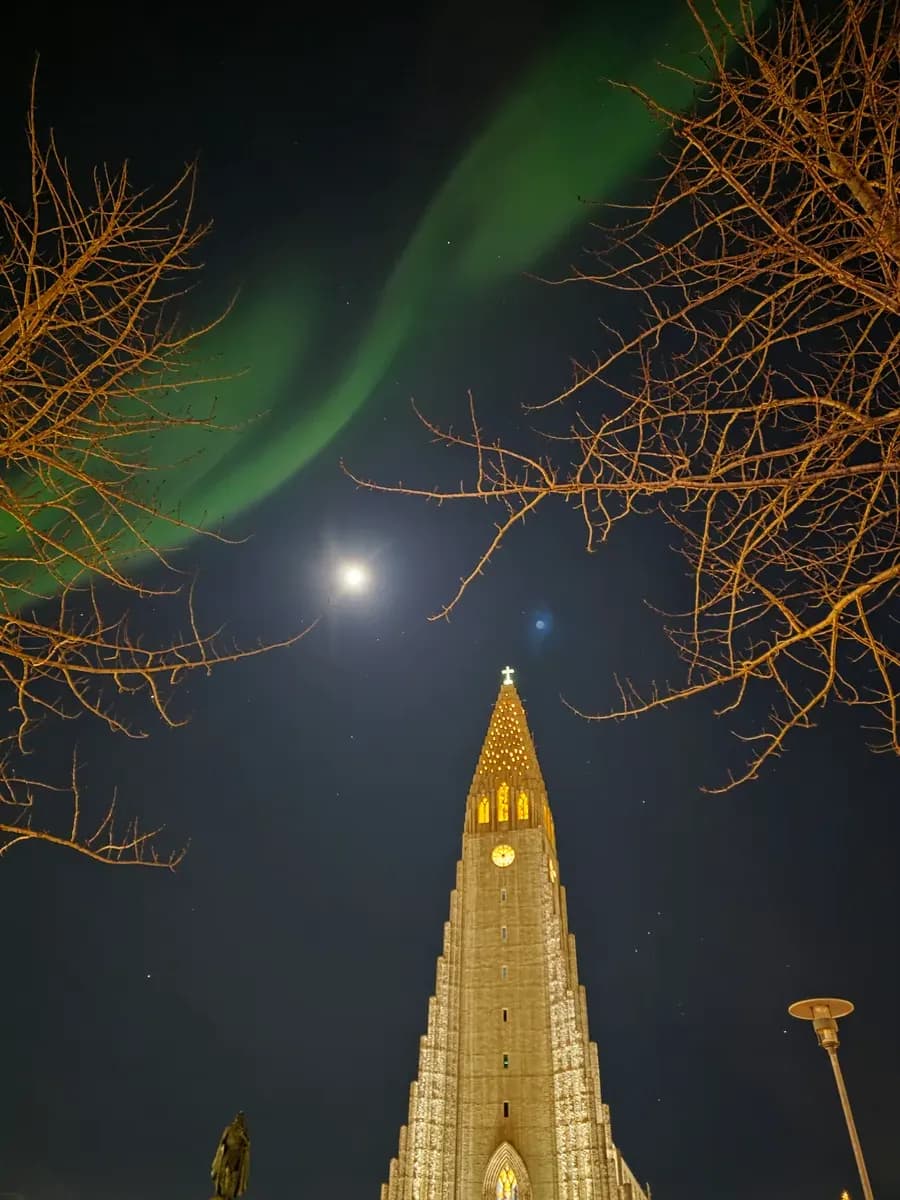
Why Iceland is the World's Best Aurora Destination
Every year, hundreds of thousands of travelers journey to Iceland with one goal: witnessing the ethereal dance of the Northern Lights. At 64°N latitude, Iceland sits directly beneath the auroral oval — the ring-shaped zone where aurora activity is most intense.
Unlike northern Scandinavia or Alaska, Iceland offers unparalleled accessibility. Fly into Keflavík, rent a car, and reach world-class dark-sky locations within 30-60 minutes. No multi-day expeditions required.
This guide draws on aurora science research, photography guidance, and practical knowledge for hunting the lights across Iceland. By the end, you'll understand exactly when to visit, where to go, how to forecast activity, and how to capture quality aurora photographs.
"At Iceland's latitude, you don't need extreme solar storms. KP 2-3 is enough for visible aurora. The real challenge is cloud cover, not solar activity."
— AuroraVision Research Team
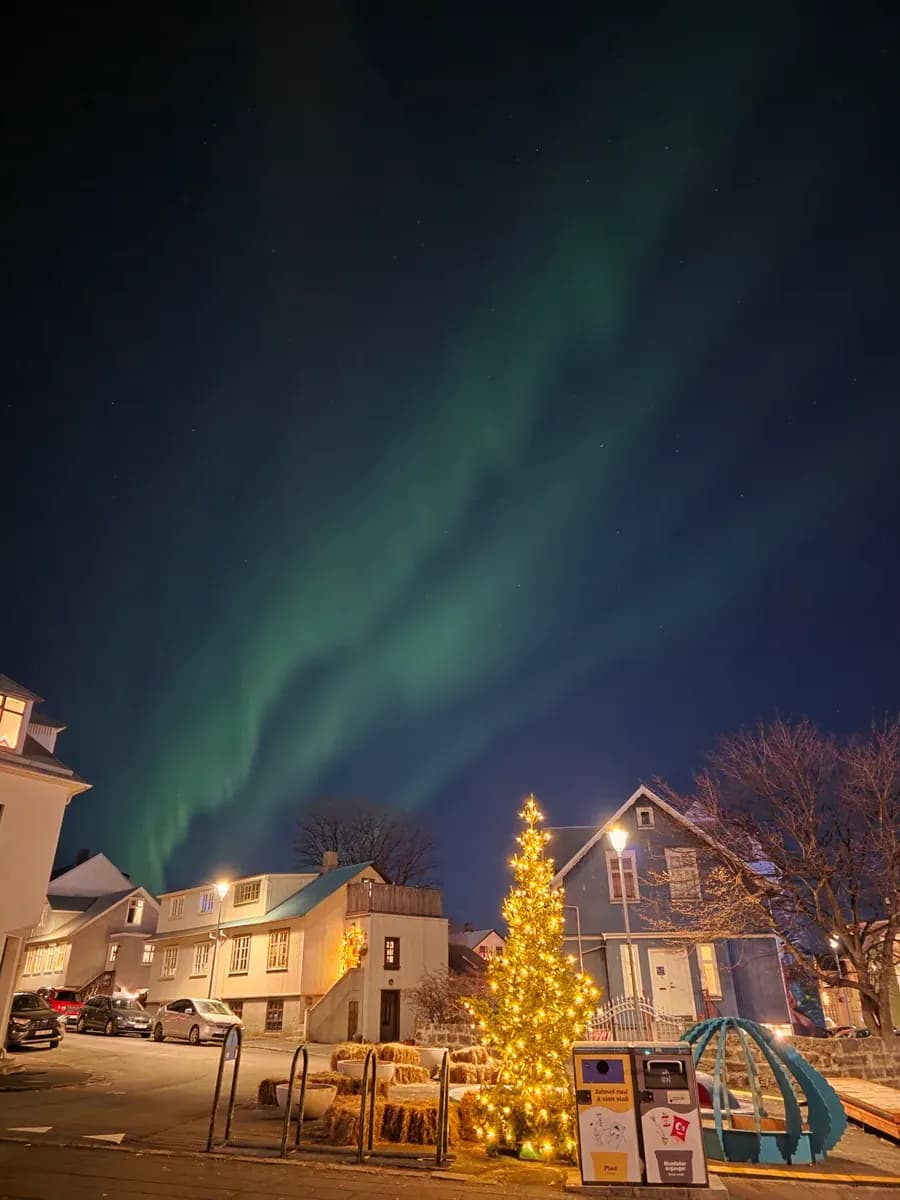
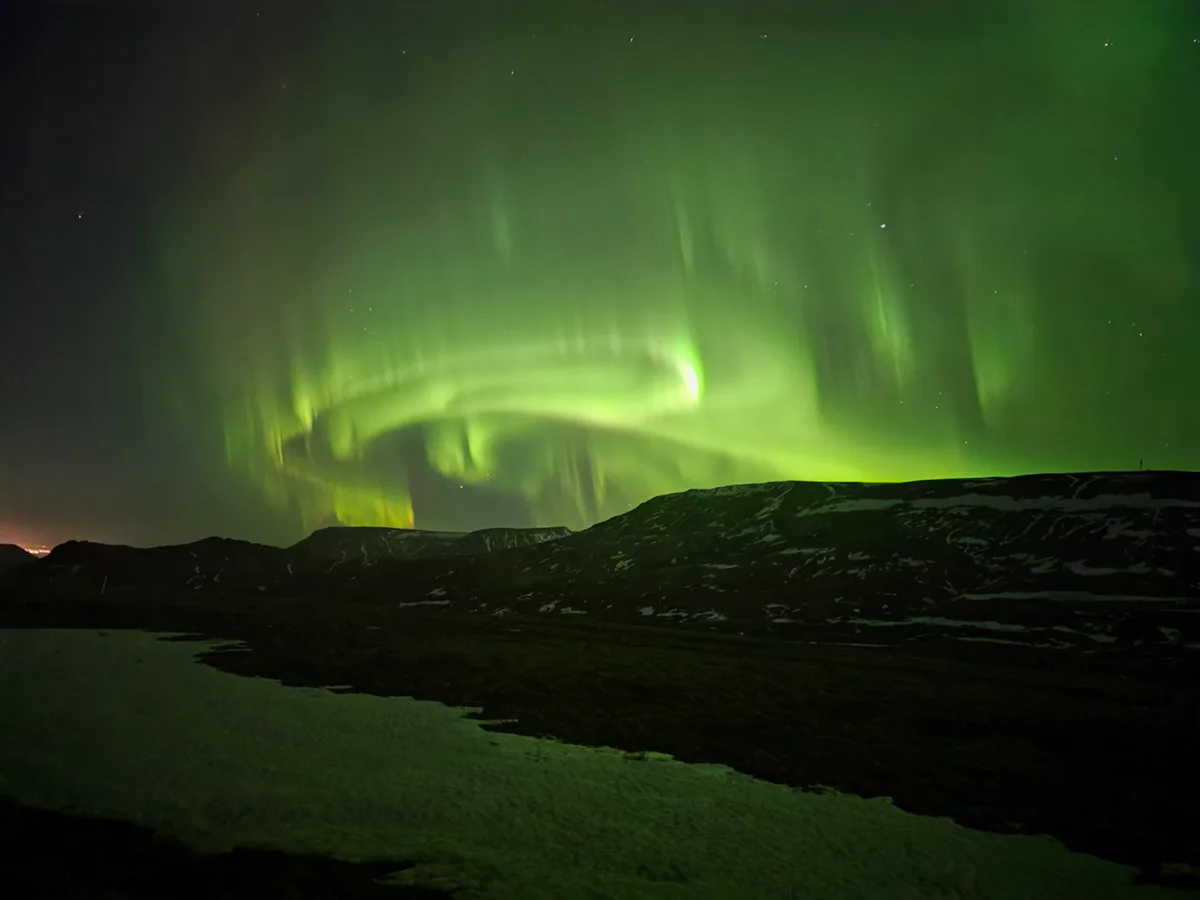
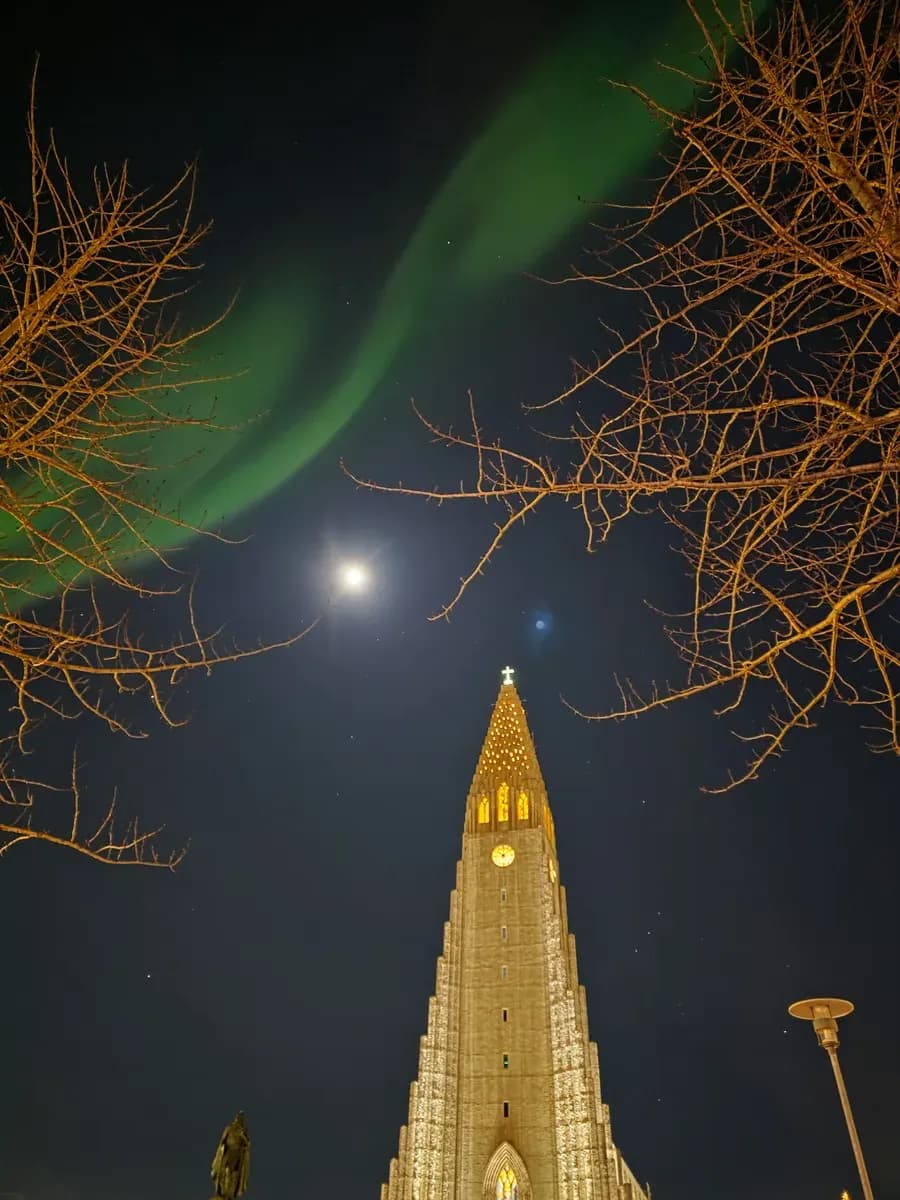
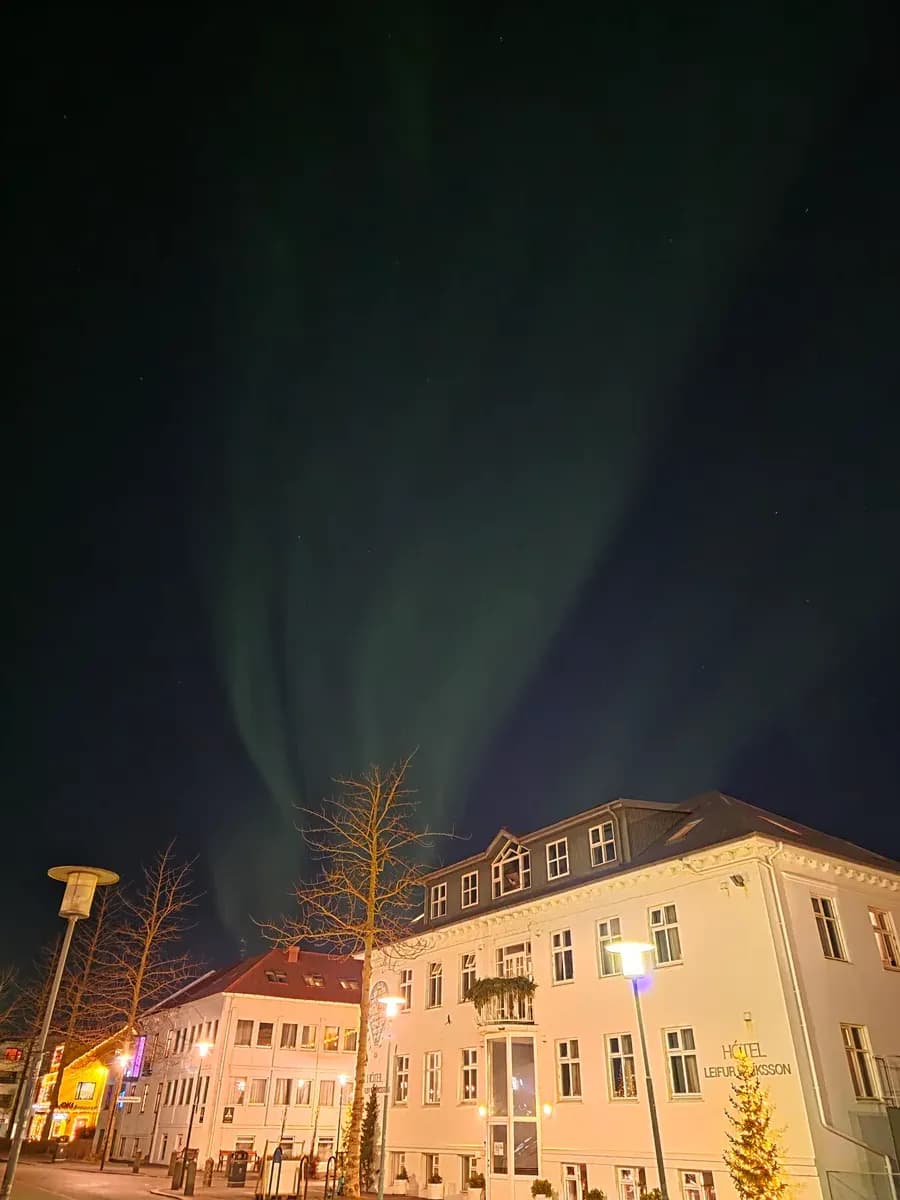
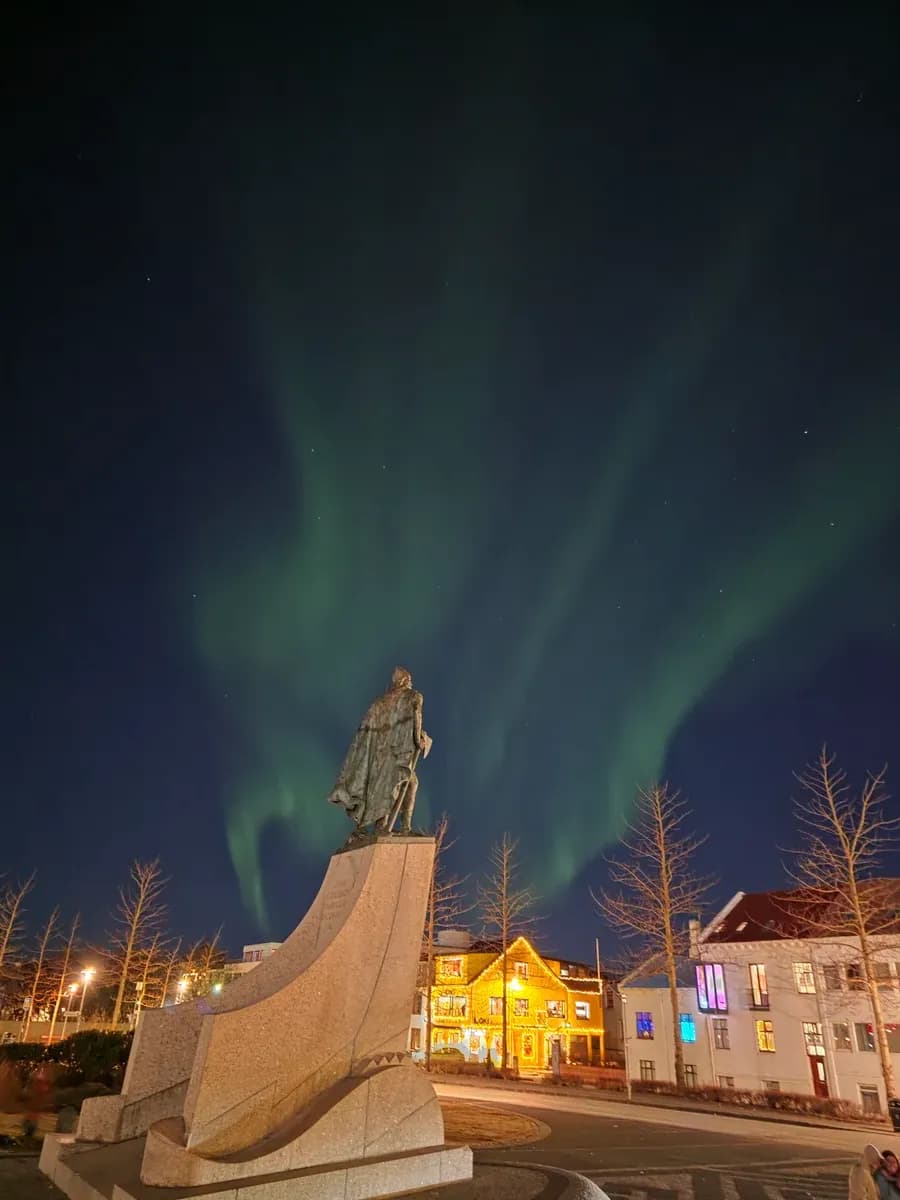
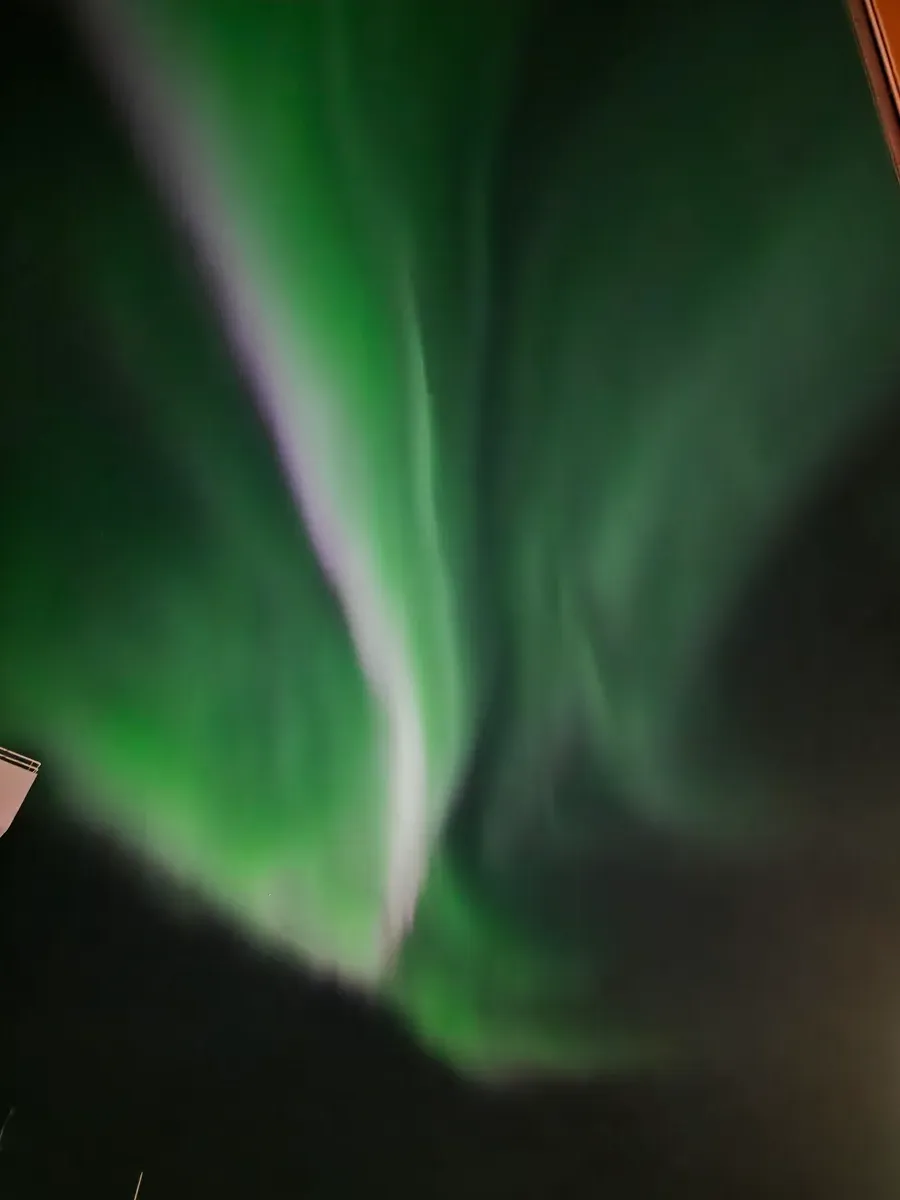
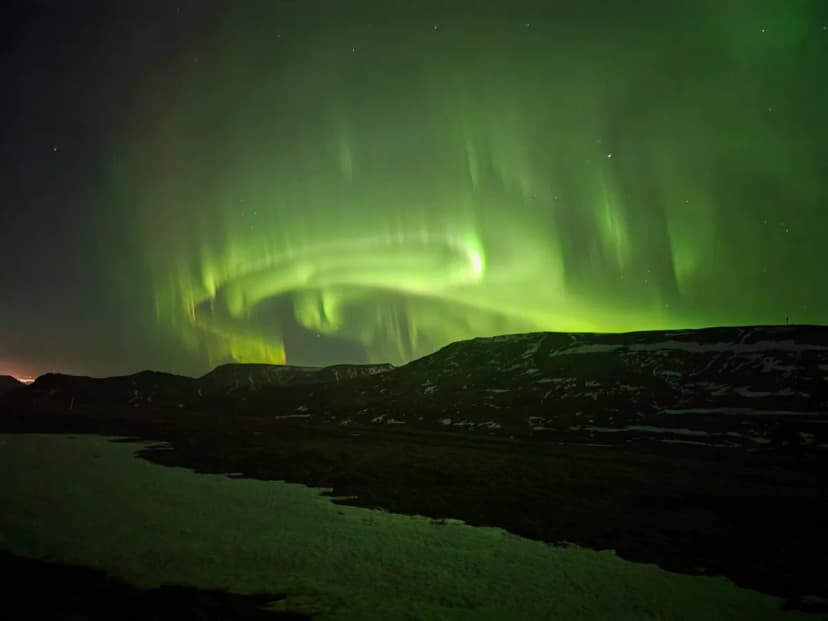
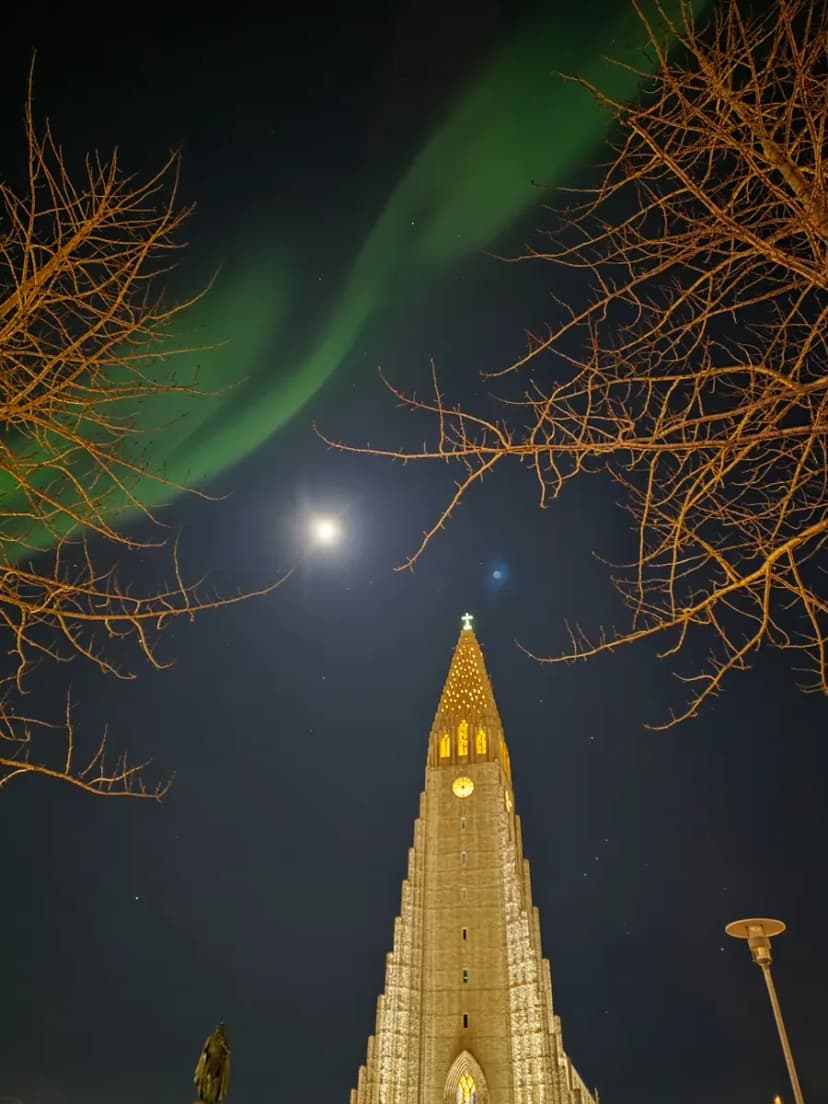
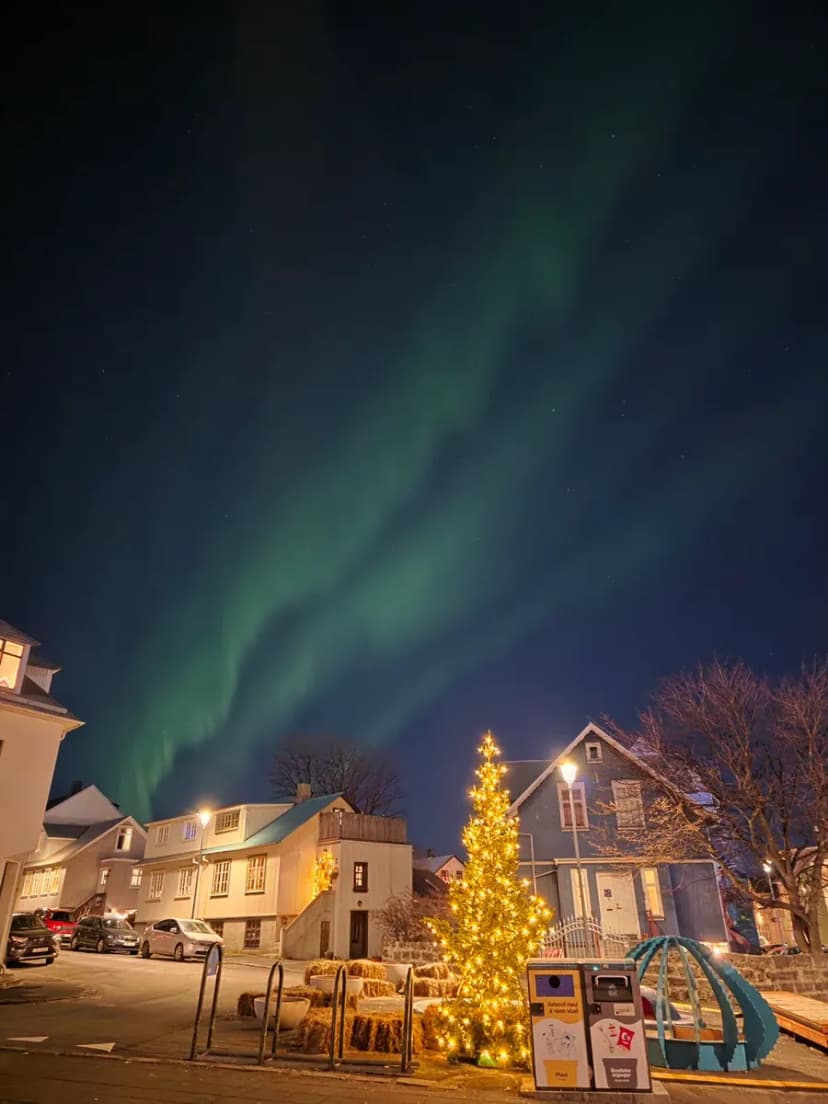
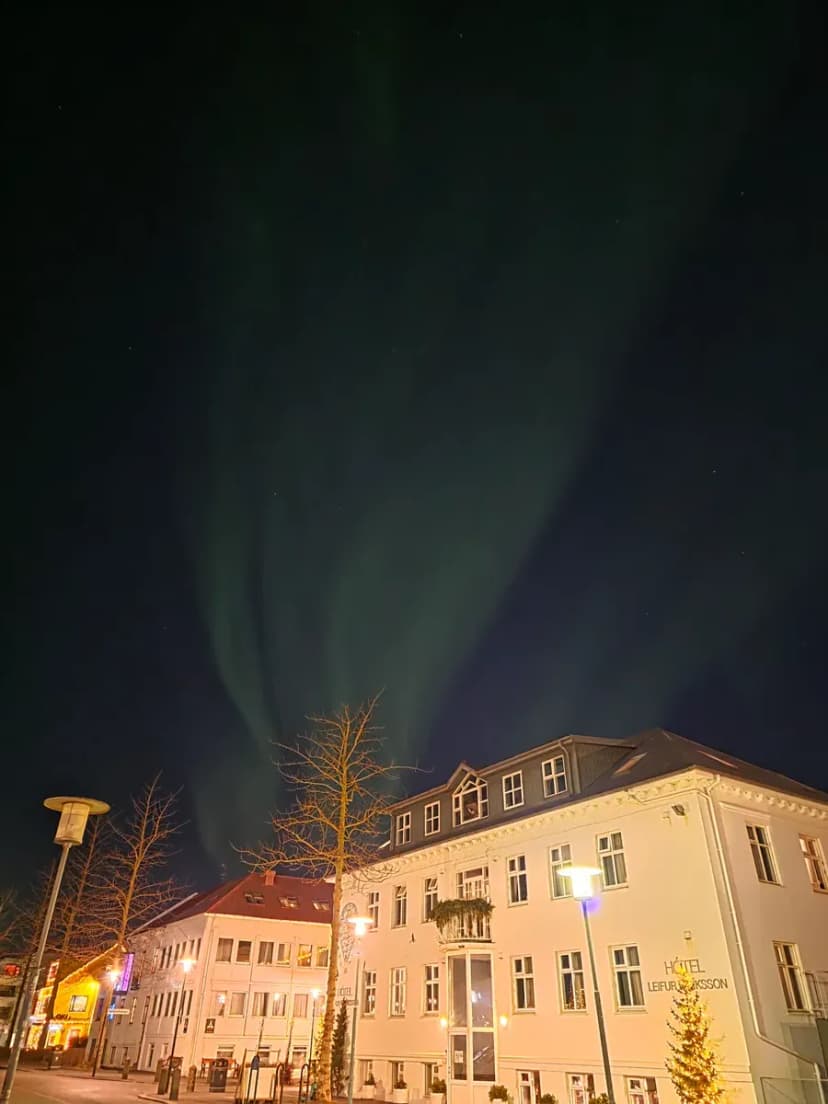
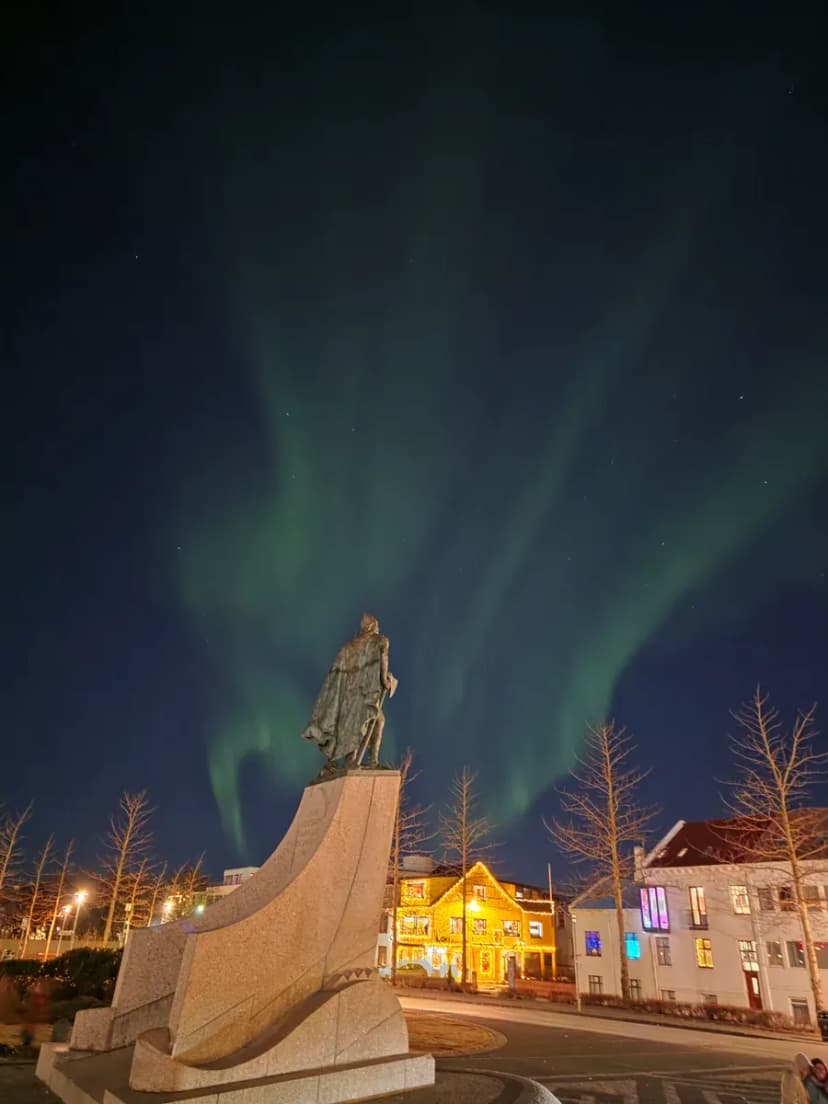
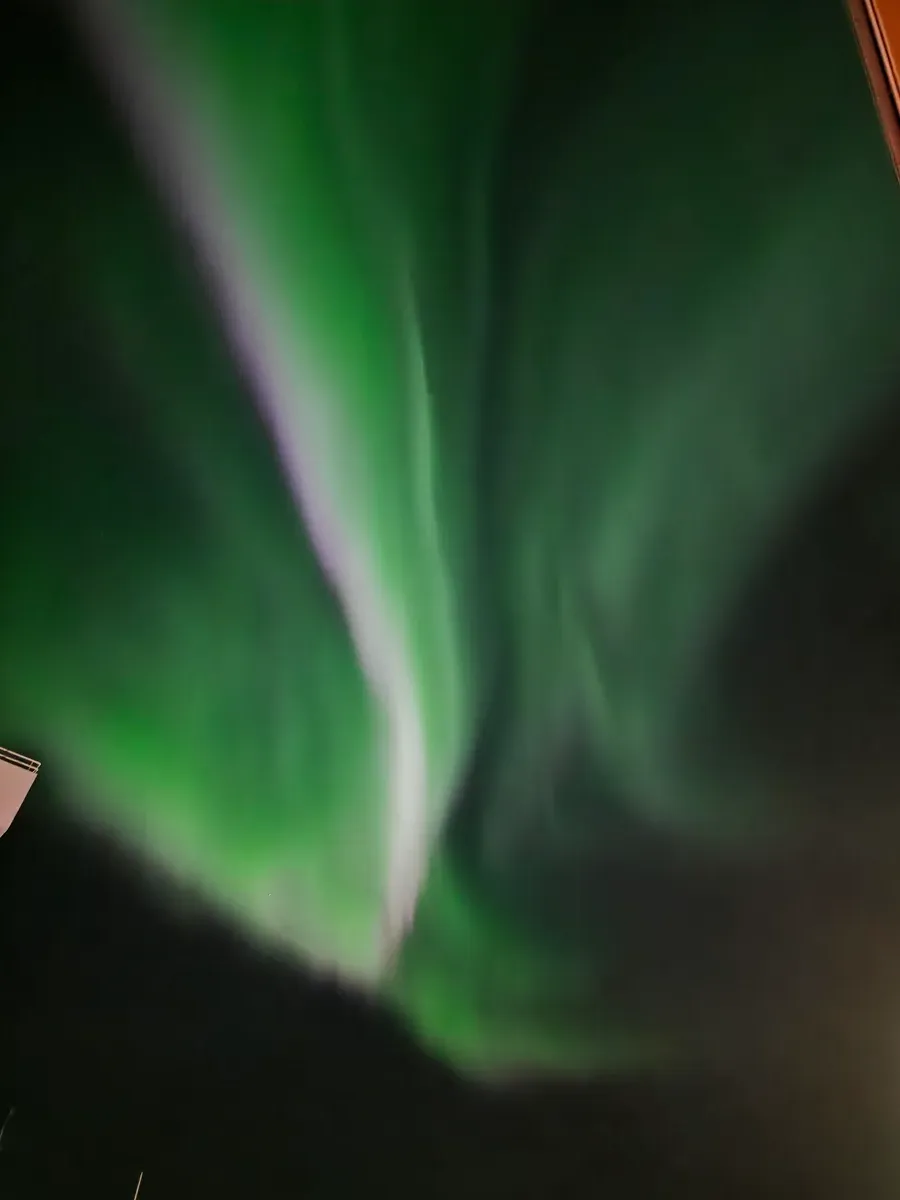
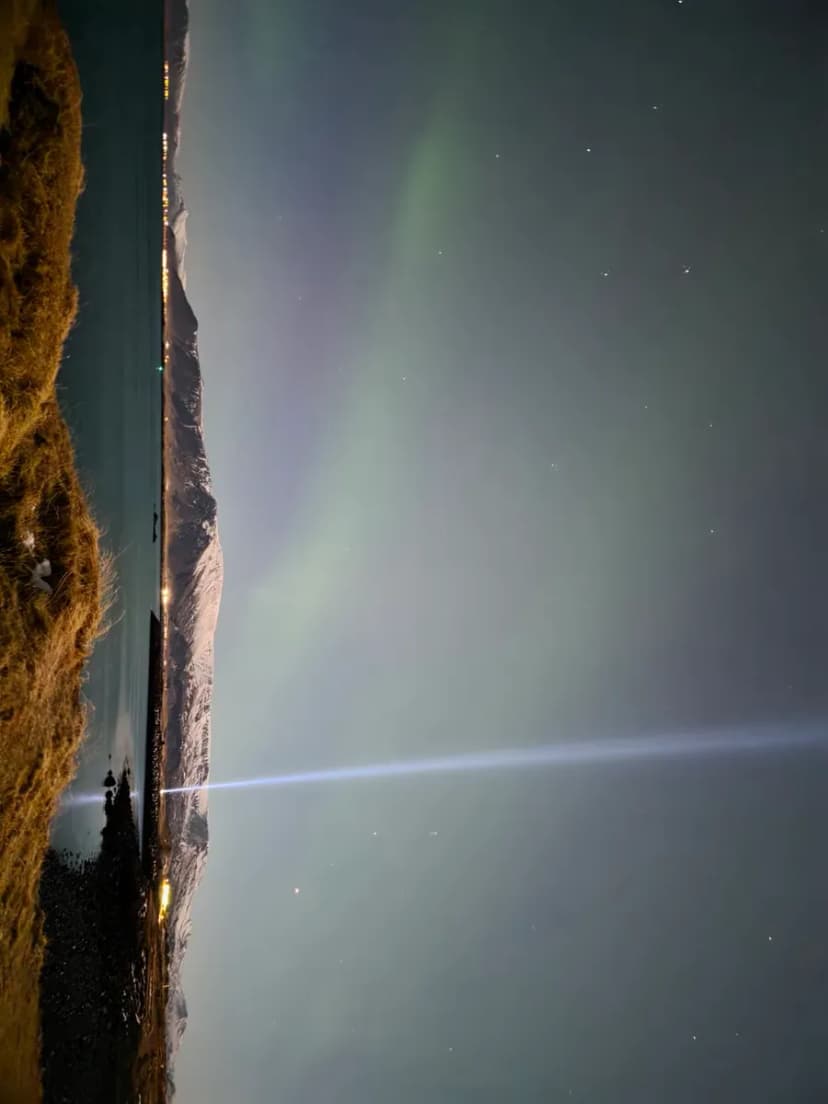
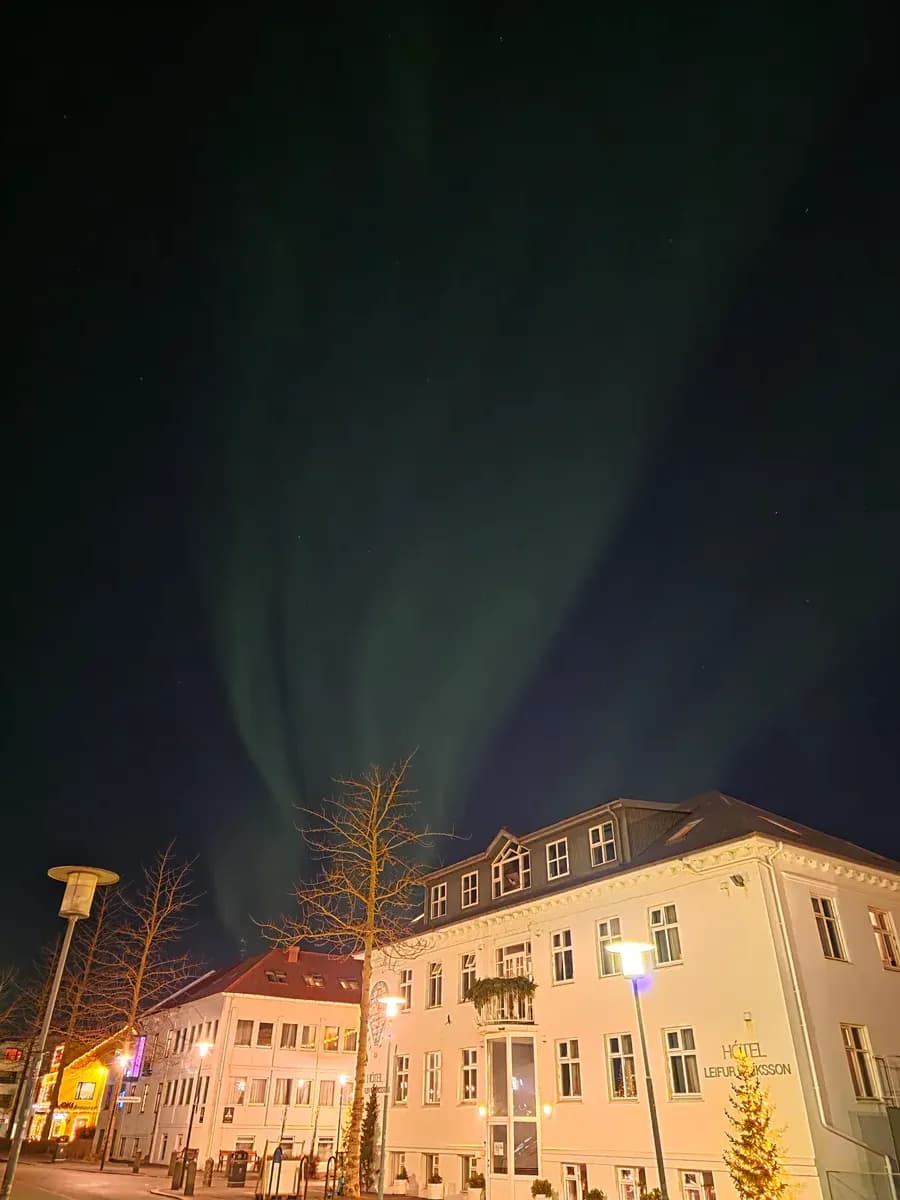
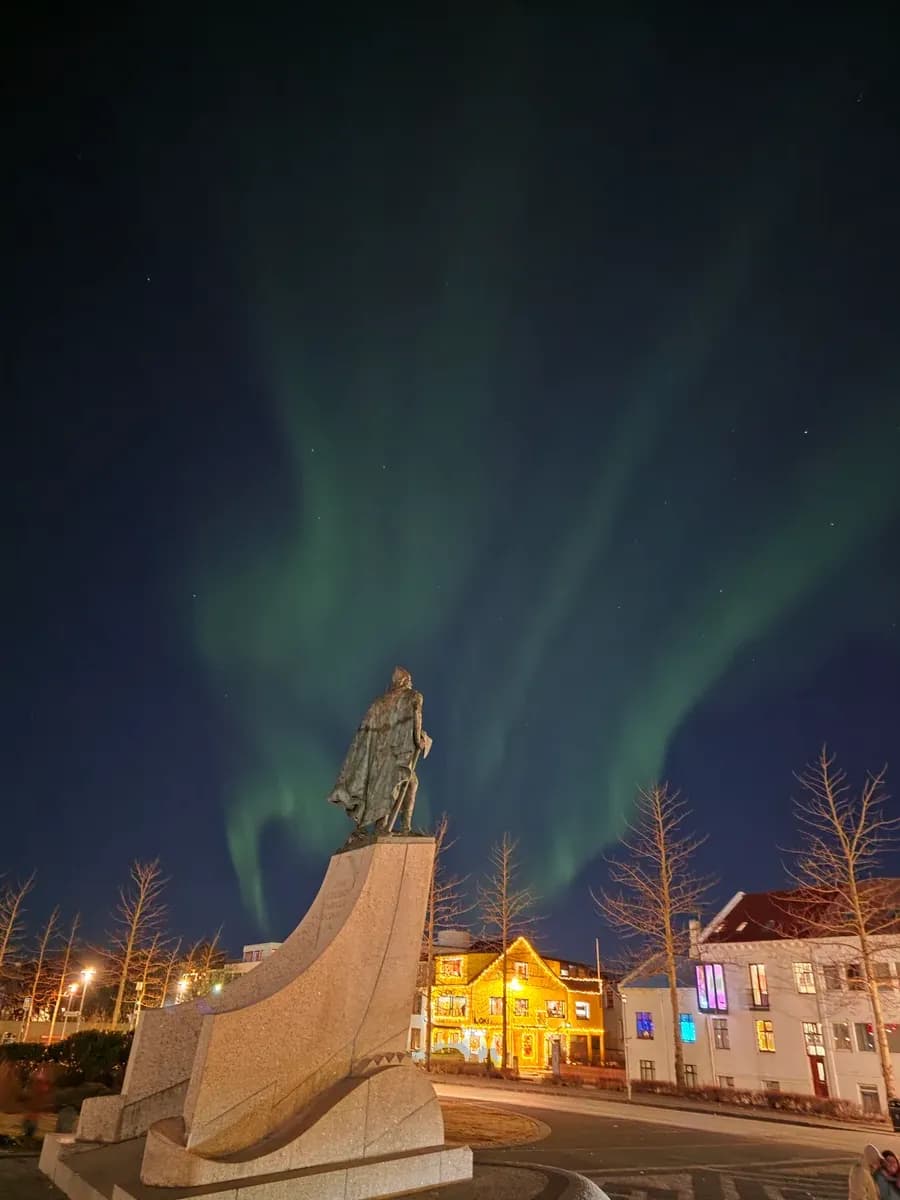
Recent Aurora Sightings
Real photos from aurora hunters across Iceland in the past 30 days
Photos submitted by AuroraVision users. Download the app to share your sightings.
What Are the Northern Lights?
Solar Wind Release
Solar flares and coronal mass ejections blast streams of electrons and protons into space at 400-800 km/s. These charged particles take 1-3 days to reach Earth.
Magnetosphere Interaction
When the solar wind's magnetic field (IMF Bz) points southward, it creates a "door" in Earth's magnetic shield, allowing particles to funnel through the polar cusps.
Atmospheric Collision
At 100-400 km altitude, solar particles collide with oxygen and nitrogen molecules, transferring energy and exciting the gas molecules to higher energy states.
Light Emission
When excited molecules return to normal states, they emit photons — visible light — creating the shimmering green, pink, purple, and red curtains we see as aurora.
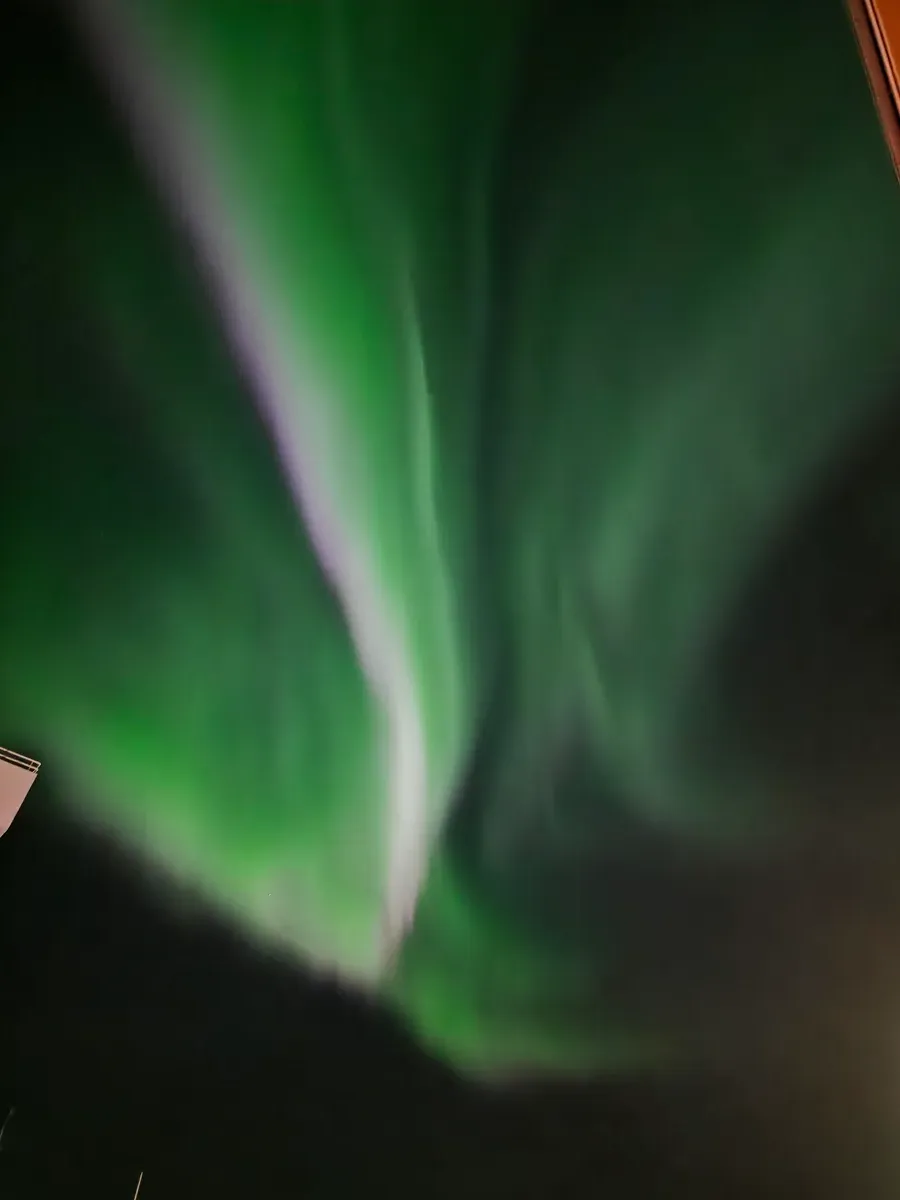
Aurora Colours Explained
Each aurora colour corresponds to a specific atmospheric gas at a specific altitude. Understanding this helps you interpret aurora activity and predict intensity.
Green
The most common aurora colour. Green appears when solar particles collide with oxygen molecules at 100–250 km altitude.
Purple
Purple and violet fringes form at lower altitudes when nitrogen is ionised by high-energy particle collisions.
Pink
Pink bands occur when nitrogen and oxygen mix in the lower atmosphere during intense geomagnetic activity.
Red
Rare red aurora appears at very high altitudes during extreme solar storms. Requires strong KP 7+ events.
Blue
Blue is the rarest aurora colour, appearing briefly at the lower edge of intense displays.
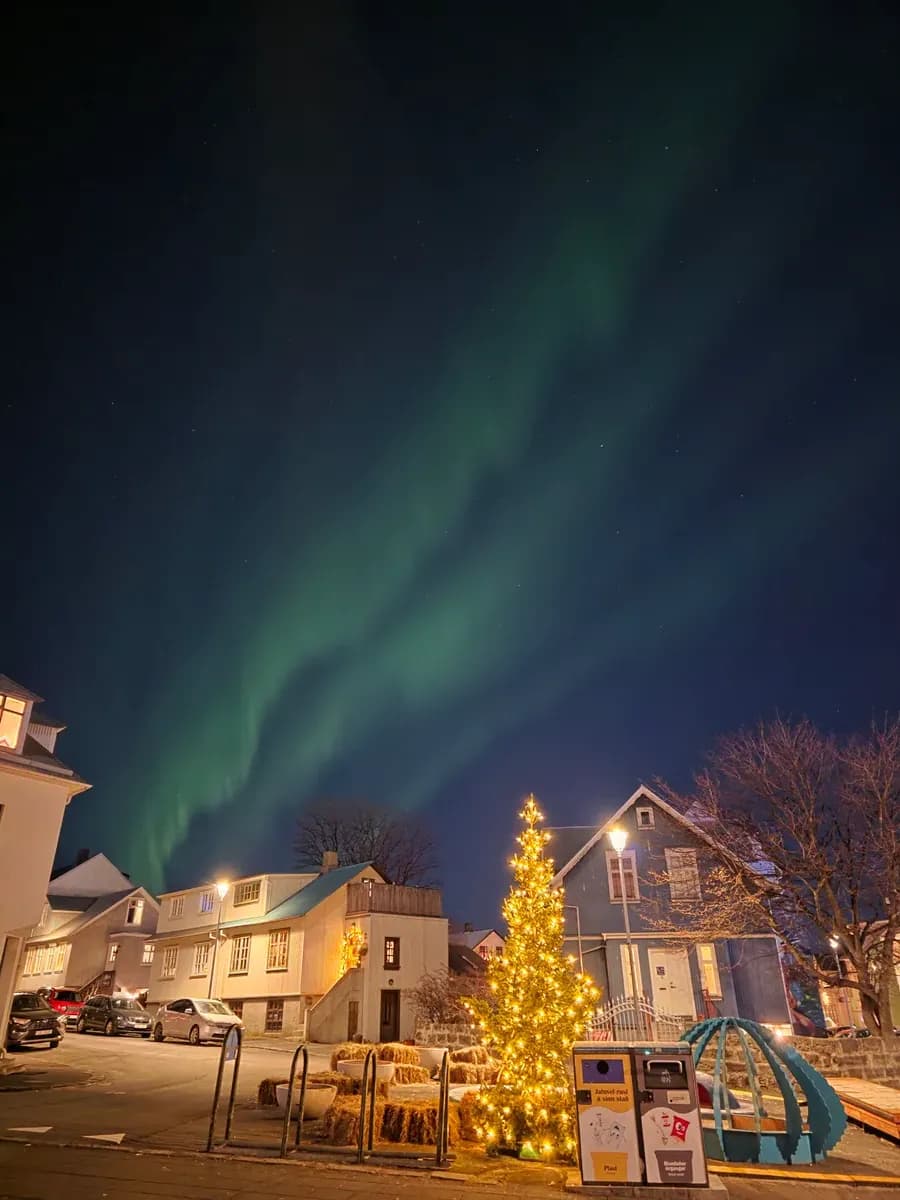
Best Time to See the Northern Lights
Iceland's aurora season runs from late August through mid-April. Here's a month-by-month breakdown to help you plan your trip.
August
Dark returns late August. Tourism low. Good photography light.
September
Equinox boosts activity. Autumn colours. Moderate tourism.
October
Long nights. Lower cloud cover. Peak begins.
November
Darkest skies. Low tourism. Excellent for serious hunters.
December
Solstice darkness. Christmas markets. Heavy snow possible.
January
Peak darkness. Lowest tourism. Extreme weather.
February
Long nights. Improving weather. Excellent photography.
March
Equinox boost. Spring returns. Increasing daylight.
April
Twilight increases. Season ends mid-month.
Pro Tip: Peak Season Trade-offs
November-January offers maximum darkness but harsh weather and crowded accommodation. September-October and February-March provide excellent balance: good darkness, improving weather, and lower tourism. Most professional aurora photographers prefer late September and February. September also benefits from the statistical equinox peak in geomagnetic activity — learn why in our aurora season guide.
Weather & Cloud Cover: The Most Important Factor
Cloud cover is more important than KP index
Even with KP 9 (extreme geomagnetic storm), 100% cloud cover makes aurora invisible. Conversely, clear skies with KP 2-3 will produce visible aurora at Iceland's latitude.
Iceland's weather is notoriously unpredictable. Fronts move rapidly across the Atlantic, bringing cloud, rain, and snow with little warning. Successful aurora hunting requires constant weather monitoring and willingness to drive 100-200 km to find clear skies.
Essential Weather Resources
- AuroraVision Live Forecast — Real-time cloud cover + aurora activity combined
- Vedur.is — Icelandic Meteorological Office (authoritative source)
- Yr.no — Norwegian weather service (excellent hour-by-hour forecasts)
Pro tip: Check cloud forecasts hourly. Be prepared to drive east if the south coast is cloudy, or west if Reykjanes has better conditions. Flexibility is the key to success.
Understanding the KP Index
The KP index measures global geomagnetic activity on a scale of 0-9. It's calculated every 3 hours by monitoring magnetometers at 13 locations worldwide.
Important: KP is a global average. Local conditions vary significantly. This is why AuroraVision combines KP with solar wind data, cloud cover, and moon phase for more accurate forecasts. Why KP alone is not enough →
Solar Wind: The Aurora Trigger
While KP measures the result of solar activity, solar wind parameters tell you what's happening right now — giving you 30-60 minutes advance warning before aurora intensifies.
IMF Bz (Most Critical)
The north-south component of the solar wind magnetic field. Bz south (negative values)opens Earth's magnetic field, allowing particles to enter. Bz < -10 nT triggers intense aurora. Bz north (positive) blocks particle entry.
Solar Wind Speed
Measured in km/s. Normal is 300-450 km/s. Fast streams (500-700 km/s) compress the magnetosphere, increasing aurora intensity. CME-driven speeds exceeding 800 km/s create geomagnetic storms.
Proton Density
Particles per cubic centimeter. Normal is 3-8 p/cm³. CMEs bring dense plasma clouds (20-50 p/cm³) that dramatically boost aurora brightness when combined with southward Bz.
AuroraVision's live solar wind monitor updates every 2 minutes using real-time NOAA DSCOVR satellite data positioned 1.5 million km upstream from Earth.
The Aurora Score: A Better Forecast
KP alone is insufficient for accurate aurora forecasting. That's why AuroraVision developed the Aurora Score — a composite 0-100 metric that combines:
The result is a location-specific forecast that updates every 2 minutes. Aurora Score 70+ indicates excellent viewing conditions. Score 85+ means get outside immediately — exceptional displays are underway.